Knowledge hub
AI-driven Anthropocene Mitigation

AI-driven Anthropocene Mitigation involves deploying artificial intelligence to manage and recalibrate Earth’s geological and atmospheric systems at a planetary scale to counteract climate disruption. This approach treats the planet as a complex, lively system requiring continuous monitoring and intervention with AI functioning as a real-time regulatory mechanism. The core premise posits that the Earth system has moved beyond a state where passive reduction of emissions suffices to guarantee stability, necessitating a transition toward active management of biogeochemical cycles. This framework shift requires a comprehensive understanding of the interactions between the cryosphere, atmosphere, hydrosphere, and biosphere, viewing them not as separate entities but as a single, interconnected entity that demands constant calibration to maintain habitability. The deployment of artificial intelligence in this domain serves as the central nervous system for this planetary regulation, processing exabytes of data to execute decisions that maintain the Holocene-like conditions under which human civilization developed. Core objectives include carbon drawdown, biodiversity restoration, ocean alkalinity adjustment, and land-use optimization coordinated through centralized AI control frameworks.

These goals require the synchronization of millions of discrete interventions across the globe, ranging from the microscopic level of soil microbiome enhancement to the macroscopic level of stratospheric aerosol deployment. The centralized control framework functions by ingesting vast quantities of environmental data to determine the precise timing, location, and magnitude of each action required to stay within safe operating limits. Carbon drawdown initiatives must operate in tandem with biodiversity restoration efforts to ensure that carbon sequestration does not come at the expense of ecological complexity, while ocean alkalinity adjustment must be carefully modulated to avoid localized acidification spikes that could harm marine life. The system relies on high-fidelity Earth observation data streams from satellites, ground sensors, and ocean buoys integrated into predictive models. These data streams provide the raw material necessary for the AI to construct a real-time digital twin of the planet, allowing for the simulation of intervention outcomes before physical implementation occurs. Satellite constellations offer continuous monitoring of atmospheric composition and vegetation health, while ground sensors and ocean buoys deliver granular data on soil moisture, temperature gradients, and oceanic pH levels critical for detecting early signs of systemic instability.
Setup of these disparate data sources into unified predictive models eliminates blind spots in planetary monitoring and ensures that decision-making processes are grounded in the most accurate possible representation of physical reality. AI algorithms generate intervention strategies such as targeted afforestation, stratospheric aerosol injection, or enhanced weathering based on cost-benefit-risk trade-offs. These algorithms evaluate a multitude of potential interventions against a backdrop of constantly changing environmental variables to select the optimal course of action for any given region or timeframe. Targeted afforestation efforts benefit from algorithms that analyze soil composition and meteorological data to identify tree species with the highest probability of survival and carbon sequestration potential, whereas stratospheric aerosol injection models calculate the precise particulate dispersion required to maximize the albedo effect while minimizing precipitation disruption. Enhanced weathering strategies utilize algorithmic planning to distribute rock dust efficiently across agricultural lands, ensuring that mineral carbonation rates are maximized without causing soil toxicity or nutrient imbalances. Decision-making incorporates multi-objective optimization, balancing ecological integrity and human welfare with constraints defined by planetary boundaries.
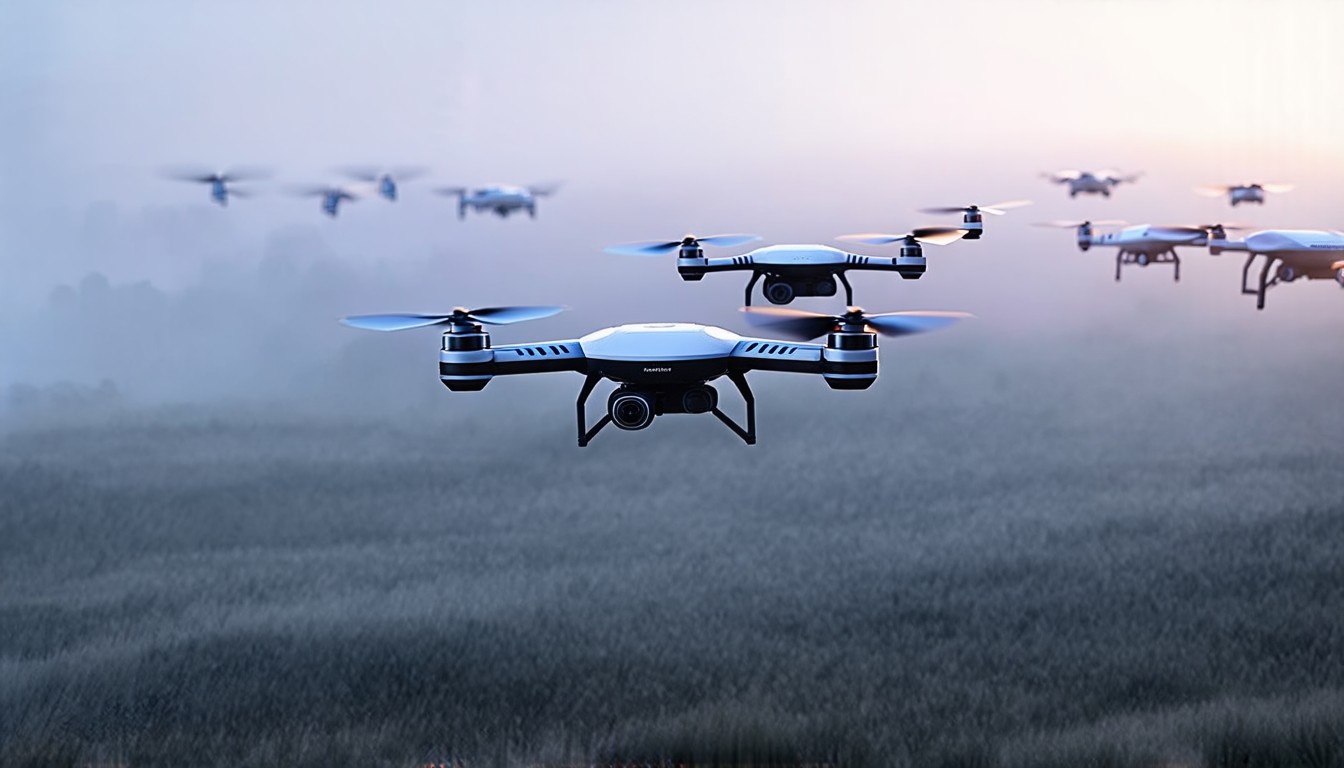
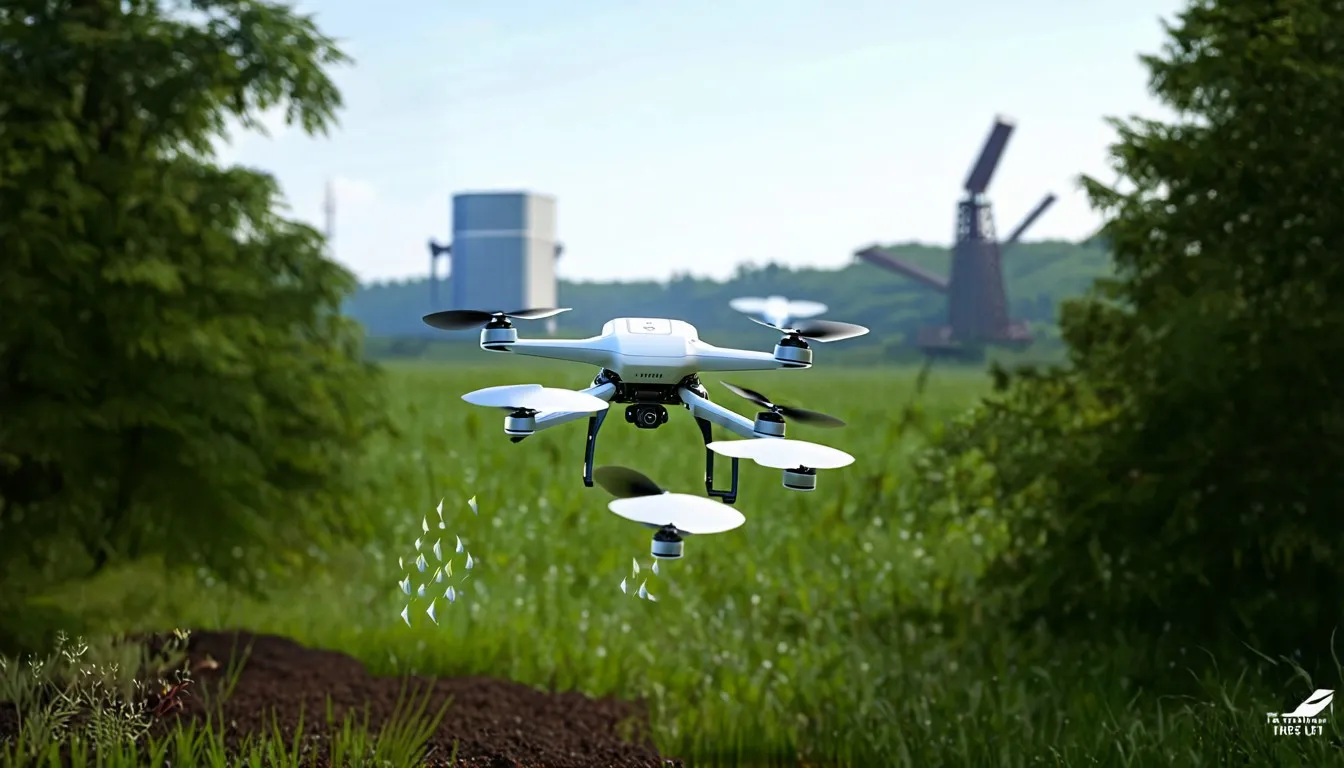
This optimization process acknowledges that interventions intended to mitigate climate change may have negative secondary effects on other aspects of the Earth system, such as freshwater use or biodiversity loss, requiring a careful balancing of competing priorities. The AI works through these trade-offs by assigning weighted values to different objectives, ensuring that actions taken to lower global temperatures do not inadvertently push other critical systems past their tipping points. Constraints defined by planetary boundaries act as hard limits within the optimization algorithms, preventing the system from suggesting solutions that would exceed the safe operating space for humanity. Operational control is distributed across autonomous agents managing localized subsystems coordinated by a global orchestration layer. This hierarchical structure allows for rapid response times at the local level while maintaining coherence with global mitigation goals, as local agents handle immediate tasks such as adjusting irrigation systems or deploying drones for seeding, while the global orchestration layer ensures these actions align with broader planetary targets. Autonomous agents embedded in specific environments possess the authority to make micro-adjustments based on real-time sensor readings, reducing the latency associated with sending all data to a central server for processing.
The global orchestration layer aggregates the results of these local actions to update planetary models and adjust high-level directives, creating a feedback loop that continuously refines the overall mitigation strategy. Key terminology includes planetary boundary thresholds which represent quantifiable limits for safe operating space and intervention efficacy. These thresholds serve as the guardrails for all AI-driven mitigation activities, delineating the points at which Earth system processes shift from self-regulating to potentially chaotic states. Understanding these boundaries requires precise quantification of variables such as atmospheric carbon dioxide concentration, biosphere integrity, and land-system change, providing the AI with clear targets to aim for or dangers to avoid. Intervention efficacy is measured against these thresholds to determine whether specific actions are successfully returning the Earth system to a safe operating space or if alternative strategies are required to achieve the desired result. Anthropocene mitigation differs from conventional climate policy by emphasizing active real-time manipulation of Earth systems.
Traditional climate policy frameworks relied primarily on emissions reductions targets set years or decades in advance, assuming that reducing the flow of greenhouse gases would eventually stabilize the climate without requiring direct manipulation of the physical environment. This new approach recognizes that the lag times in the climate system are too long to rely solely on emissions reductions, necessitating active interventions that directly alter the radiative balance of the planet or enhance carbon sinks. Real-time manipulation allows for an agile response to climate variability, enabling the system to counteract sudden feedback loops such as methane release from permafrost thaw or albedo loss from ice melt immediately as they occur. Historical pivot points include the 2015 Paris Agreement and the 2023 IPCC AR6 report confirming the overshoot of multiple planetary boundaries. The Paris Agreement established the theoretical framework for keeping global temperature rise well below two degrees Celsius, yet the subsequent IPCC AR6 report provided the sobering assessment that existing national commitments were insufficient to achieve this goal and that several planetary boundaries had already been crossed. These documents marked a transition in the scientific consensus from a focus on prevention to a focus on remediation and adaptation, creating the intellectual foundation for the development of AI-driven planetary management strategies.
The confirmation of overshoot necessitated a move toward more aggressive and technologically advanced interventions, as policy measures alone demonstrated an inability to mobilize the necessary speed and scale of change. Physical constraints include energy requirements for large-scale interventions such as direct air capture and thermodynamic limits on heat dissipation. Direct air capture facilities require immense amounts of energy to separate carbon dioxide from ambient air, creating a significant demand for clean energy sources that must be met without increasing emissions elsewhere in the system. Thermodynamic limits on heat dissipation pose a challenge for large-scale computing infrastructure required to run global climate models, as well as for industrial processes involved in geoengineering, necessitating advances in cooling technologies and energy efficiency to maintain operational viability. These physical constraints dictate the upper bounds of what is theoretically possible regarding the speed and scale of interventions, forcing optimization algorithms to work within strict energetic budgets. Economic constraints involve the capital intensity of deployment and uncertain return on investment timelines.
The infrastructure required for planetary-scale mitigation, including fleets of drones, direct air capture plants, and sensor networks, demands capital expenditure that exceeds traditional climate finance mechanisms by orders of magnitude. Return on investment timelines for these technologies are often uncertain or extend over decades, making them unattractive to private capital markets that prioritize short-term gains over long-term planetary stability. These economic realities necessitate novel financing models and a reevaluation of how economic value is assigned to ecosystem services and climate stability to ensure the sustained funding required for these massive engineering projects. Flexibility is limited by sensor coverage gaps in deep oceans and computational latency in global simulations. Deep ocean environments remain some of the least monitored regions on the planet, creating significant uncertainties in models regarding ocean heat uptake, acidification rates, and circulation patterns that drive global climate. Computational latency in global simulations limits the ability of the system to provide real-time feedback on fast-moving weather events or rapid shifts in ice sheet dynamics, potentially introducing delays in response times during critical moments.
Addressing these limitations requires the deployment of new sensing technologies capable of operating in extreme deep-sea environments and the development of faster, more efficient modeling techniques such as reduced-complexity emulators. Evolutionary alternatives such as purely market-based carbon pricing were rejected due to insufficient speed and scale. While carbon pricing mechanisms effectively incentivize reductions in specific industrial sectors, they lack the immediacy required to address abrupt climate changes or the capacity to manage complex Earth system interactions that surpass market logic. Market-based approaches assume that rational economic actors will gradually decarbonize in response to price signals, whereas AI-driven mitigation operates on the premise that direct technological intervention is required to bypass the slow turnover times of existing energy and industrial infrastructure. Techno-optimist geoengineering proposals without AI oversight were dismissed due to the risk of maladaptive interventions. Early proposals for solar radiation management or ocean fertilization often relied on simplified understandings of atmospheric and oceanic chemistry, carrying the risk of unintended consequences such as drought induction or anoxic zones that could exacerbate ecological damage.
The connection of AI oversight provides a layer of predictive capability that allows for the modeling of complex system interactions before deployment, significantly reducing the probability of maladaptive outcomes compared to static geoengineering schemes. The vision matters now since Holocene stability is compromised, with accelerating ice sheet collapse demanding faster response times. The disintegration of major ice sheets in Greenland and Antarctica has accelerated beyond the predictions of earlier models, contributing to sea-level rise that threatens coastal settlements and altering ocean circulation patterns that regulate regional climates. This loss of stability indicates that the Earth system has entered a new state where historical climate patterns are no longer reliable predictors of future conditions, necessitating a proactive stance that anticipates and counteracts these changes before they become irreversible. Performance demands include the stabilization of global temperature rise to 1.5 degrees Celsius, which exceeds the capacity of current governance frameworks. Current international governance structures lack the enforcement mechanisms and operational agility required to coordinate the millions of simultaneous interventions needed to halt warming at 1.5 degrees Celsius.
Achieving this target requires a level of global coordination and resource allocation that traditional diplomatic processes struggle to achieve, pointing toward the need for automated systems capable of executing decisions across borders without being hindered by bureaucratic delays. Economic shifts toward green industrial policy create openings for systemic interventions previously deemed economically unviable. Massive government investments in green technology and infrastructure have lowered the cost of renewable energy and energy storage, creating a favorable economic environment for deploying energy-intensive carbon removal technologies. These industrial policies have also spurred innovation in advanced materials and robotics, providing the hardware foundation necessary for implementing large-scale ecological restoration projects that were once considered too expensive or technically difficult. Societal needs include intergenerational equity and climate justice, requiring coordinated action beyond current capabilities. Ensuring that the benefits of a stable climate are shared across all nations and generations requires a distribution of resources and burdens that current geopolitical power dynamics fail to deliver equitably.
Coordinated action beyond current capabilities implies that the mitigation system must be designed to prioritize vulnerable populations and prevent the hoarding of ecological resources by wealthy nations or corporations, embedding principles of justice directly into the operational logic of the control framework. Current commercial deployments include AI-fine-tuned direct air capture plants from Climeworks utilizing energetic sorbent scheduling. Climeworks has implemented machine learning algorithms to improve the cycling of sorbent materials in their direct air capture units, adjusting adsorption and desorption phases based on real-time fluctuations in ambient temperature and humidity to maximize energy efficiency. These deployments demonstrate the viability of using AI to improve the performance of carbon removal hardware, providing valuable data on how software controls can reduce the operational costs of scaling up direct air capture to gigaton levels. Precision forestry drones from Dendra Systems employ machine learning to fine-tune seed planting and tree growth monitoring. Dendra Systems utilizes autonomous drone swarms equipped with computer vision to identify optimal planting sites and dispense seeds with high precision, while machine learning models analyze subsequent imagery to track seedling growth rates and survival probabilities.
This approach allows for the reforestation of degraded land at a pace and scale that manual planting cannot match, while simultaneously gathering data on forest recovery that informs future planting strategies. Ocean alkalinity enhancement pilots currently use machine learning for precise dosing control in marine environments. These pilots deploy algorithms that monitor local ocean chemistry and current flows to determine the exact quantity of alkaline minerals required to increase pH levels without causing harmful precipitation or impacting marine life negatively. Precise dosing control is essential in these delicate ecosystems, as incorrect application could lead to unintended ecological consequences, making real-time monitoring and adaptive adjustment a key component of these experimental interventions. Performance benchmarks indicate up to 20% efficiency gains in resource use compared to non-AI-managed equivalents. Studies comparing AI-managed systems with traditional control methods have shown significant improvements in energy efficiency, water usage, and material throughput across various climate technologies.
These efficiency gains stem from the ability of AI systems to process multivariate data and identify optimization opportunities that human operators or static control systems would likely miss due to the complexity of the data involved. Dominant architectures rely on hybrid models combining physics-based Earth system models with deep learning emulators. Physics-based models provide a rigorous foundation grounded in core laws of thermodynamics and fluid dynamics, while deep learning emulators approximate these computationally expensive simulations at speeds that allow for real-time decision-making. This hybrid approach uses the strengths of both methodologies, using physical models to ensure accuracy and deep learning to provide the computational velocity necessary for managing adaptive planetary systems. Reinforcement learning is used for policy optimization under uncertainty within these control systems. Reinforcement learning algorithms excel in environments where the outcomes of actions are uncertain and delayed rewards are common, making them well-suited for managing climate systems where interventions may take years to show measurable effects.
These systems learn by interacting with simulated environments, developing policies that maximize long-term stability rather than short-term gains, which is essential for sustaining mitigation efforts over decades. New challengers include neuromorphic computing for low-power edge inference on remote sensors. Neuromorphic chips mimic the neural structure of the human brain, offering extreme energy efficiency that enables complex data processing to occur directly on remote sensors without the need for constant communication with central servers. This capability reduces bandwidth requirements and latency, allowing sensor networks in remote areas such as the Arctic or deep oceans to perform sophisticated analysis locally and transmit only high-value insights to the central orchestration layer. Supply chain dependencies include lithium and cobalt for sensor batteries and neodymium for drone motors. The physical infrastructure required for planetary monitoring and intervention relies heavily on critical minerals that are often sourced from geopolitically unstable regions or extracted through environmentally damaging processes.
Securing a stable and ethical supply chain for these materials is a prerequisite for scaling up AI-driven mitigation, as shortages or disruptions could cripple the sensor networks and robotic fleets necessary for maintaining planetary oversight. Material limitations are anticipated in rare earth elements, prompting research into bio-based alternatives. Anticipated shortages in rare earth elements have accelerated research into biological materials and synthetic alternatives that can perform similar functions in electronics and actuators without relying on scarce minerals. Bio-based alternatives offer a sustainable path forward for hardware manufacturing, utilizing organic compounds that can be produced renewably, thereby reducing dependence on extractive industries that often conflict with ecological restoration goals. Competitive positioning shows climate tech firms like Carbon Engineering leading in carbon removal, while aerospace contractors like Lockheed Martin dominate atmospheric hardware. Climate tech startups have pioneered the development of novel chemical processes for carbon removal, using agile innovation cycles to iterate quickly on new sorbents and capture methodologies, whereas established aerospace contractors bring decades of experience in high-altitude flight and payload delivery to the domain of atmospheric geoengineering.
This division of expertise drives specialization within the industry, with different entities focusing on specific verticals such as direct air capture, ocean fertilization, or stratospheric injection. Tech giants such as Google and Microsoft provide cloud infrastructure, yet avoid direct deployment due to liability risks. Major technology companies supply the computational backbone necessary for running global climate models and training machine learning algorithms, benefiting from the revenue generated by these massive workloads while distancing themselves from the physical deployment of geoengineering technologies. Avoidance of direct deployment is a strategic risk management decision designed to shield these corporations from potential legal liabilities or public backlash associated with manipulating planetary systems. Geopolitical dimensions include sovereignty disputes over atmospheric interventions and the risk of unilateral deployment. The ability to alter regional weather patterns or radiation balance through atmospheric intervention raises difficult questions regarding national sovereignty, as actions taken in one country’s airspace could have meaningful impacts on the climate of neighboring nations.
The risk of unilateral deployment by a single nation or non-state actor seeking to secure its own climatic stability creates a volatile security environment where mistrust could escalate into conflict over perceived manipulation of shared natural resources. International governance gaps persist with no binding framework for AI-managed Earth system interventions. Existing international treaties and bodies lack the mandate and technical expertise to regulate autonomous systems capable of intervening in planetary processes, leaving a legal vacuum that hinders cooperative development and deployment of mitigation technologies. The absence of a binding framework creates uncertainty for developers and operators who must manage a patchwork of national regulations that may be inconsistent or mutually contradictory. Academic-industrial collaboration is strongest in climate modeling and weakest in deployment ethics. Collaborative efforts between universities and corporations have yielded significant advances in climate science and modeling accuracy, whereas research into the ethical implications of deploying autonomous systems at a planetary scale remains underfunded and fragmented.
This imbalance creates a situation where technical capability outpaces ethical understanding, increasing the risk that interventions will be deployed without adequate consideration of their societal and moral ramifications. Required changes in adjacent systems include real-time environmental data sharing protocols and standardized intervention impact assessment frameworks. Effective planetary management requires open and instantaneous access to environmental data from all nations, necessitating new diplomatic protocols that supersede current restrictions on data sharing for national security reasons. Standardized impact assessment frameworks are equally important to ensure that interventions are evaluated consistently across different regions, providing a common basis for decision-making and accountability within the global control system. Regulatory overhaul is needed to classify planetary-scale AI interventions as critical infrastructure. Recognizing these systems as critical infrastructure would mandate higher standards of reliability, security, and redundancy, similar to those applied to power grids or air traffic control systems.
This classification would also facilitate government funding and oversight, acknowledging that failure of these systems could result in catastrophic environmental damage that threatens national security. Infrastructure must expand to support high-volume environmental data pipelines and resilient power grids. The transition to AI-driven mitigation requires a massive upgrade to global digital infrastructure to handle the throughput of sensor data and the computational load of continuous planetary simulation. Resilient power grids are necessary to ensure that data centers and sensor networks remain operational during extreme weather events, which are likely to become more frequent as climate change progresses, ensuring continuity of operations during periods of high stress on the system. Second-order consequences include the displacement of fossil fuel-dependent economies and the rise of planetary service industries. As demand for fossil fuels collapses due to successful mitigation efforts, economies reliant on oil and gas extraction will face severe economic contraction unless they successfully pivot toward new industries centered on ecological maintenance and restoration.
The rise of planetary service industries focused on ecosystem engineering, carbon management, and climate adaptation will create new employment opportunities and economic sectors, fundamentally reshaping the global labor market. Labor markets will shift toward roles in ecological engineering and AI oversight, requiring large-scale reskilling initiatives. The workforce of the future will require specialized skills in biology, robotics, and data science to manage the complex technological systems deployed for mitigation, necessitating comprehensive education programs to retrain workers displaced from traditional industries. Large-scale reskilling initiatives must be implemented proactively to prevent labor shortages that could constrain the deployment of mitigation technologies and ensure that the benefits of this economic transition are distributed broadly across society. Measurement shifts necessitate new key performance indicators such as planetary boundary compliance indices and system resilience metrics. Traditional economic indicators fail to capture the health of ecological systems or the stability of the climate, requiring the development of new metrics that directly measure progress toward staying within planetary boundaries.
System resilience metrics provide insight into the capacity of ecosystems to absorb shocks without collapsing, serving as a critical gauge of the effectiveness of restoration efforts and the overall health of the biosphere. Traditional GDP accounting is insufficient, while integrated Earth system accounts tracking biophysical stocks are required. Gross Domestic Product measures economic activity without accounting for the depletion of natural capital or degradation of ecosystem services, creating a distorted picture of progress that incentivizes environmental destruction. Integrated Earth system accounts track biophysical stocks such as carbon, water, and biodiversity alongside economic flows, providing a holistic view of planetary wealth that aligns economic incentives with ecological sustainability. Future innovations will include self-replicating ecological repair drones and AI-designed synthetic microbes for carbon fixation. Self-replicating drones would exponentially increase the scale of restoration work by manufacturing copies of themselves in situ using locally sourced materials, overcoming logistical constraints on transporting equipment to remote areas.
AI-designed synthetic microbes offer the potential to accelerate natural geological processes such as silicate weathering or biological carbon fixation by engineering organisms improved for specific metabolic functions relevant to carbon sequestration. Convergence with fusion energy will enable high-power interventions, and CRISPR-based ecosystem engineering will aid species reintroduction. The advent of commercially viable fusion energy would provide an abundant source of clean power necessary for energy-intensive interventions such as direct air capture or desalination on a planetary scale. CRISPR-based ecosystem engineering allows for the rapid adaptation of species to changing environmental conditions or the resurrection of extinct keystone species, restoring ecological functions that have been lost due to past extinctions. Scaling physics limits include the Carnot efficiency ceiling for heat engines and diffusion rates in ocean mixing. The core laws of physics impose hard limits on the efficiency of energy conversion processes, restricting how much useful work can be extracted from heat engines used in power generation or propulsion.
Diffusion rates in ocean mixing limit how quickly surface changes can propagate to the deep ocean, creating time lags in the effectiveness of ocean-based carbon sequestration methods that must be accounted for in long-term planning. Workarounds involve distributed micro-interventions and applying natural amplifiers such as algal blooms. Distributed micro-interventions circumvent scaling limits by aggregating millions of small actions into a significant cumulative impact, avoiding the logistical and thermodynamic challenges associated with massive centralized projects. Utilizing natural amplifiers such as stimulating algal blooms applies existing biological pathways to multiply the effect of small inputs, allowing for efficient geoengineering by working with rather than against natural processes. AI-driven mitigation aims to restore self-regulating feedback loops with AI acting as a temporary scaffold. The ultimate goal of deploying artificial intelligence is not to permanently manage the planet but to stabilize the climate sufficiently to allow natural feedback loops to regain their regulatory function.
Once ecological balance is restored, the AI acts as a temporary scaffold that can be gradually removed as the Earth system returns to a state of agile equilibrium capable of self-regulation without constant technological intervention. Calibrations for superintelligence will involve embedding strict value alignment protocols prioritizing biodiversity and system resilience. As control systems transition toward superintelligence, ensuring alignment with human values becomes primary, requiring protocols that explicitly define biodiversity and system resilience as inviolable objectives that cannot be traded off for short-term efficiency gains. These calibrations must account for vast timescales and complex interdependencies that human planners might overlook, ensuring that the superintelligence acts as a guardian of long-term planetary health rather than an optimizer of narrow metrics. Superintelligence will utilize this framework by identifying previously unknown Earth system couplings. Advanced intelligence will analyze data patterns invisible to human scientists or current algorithms, uncovering hidden connections between atmospheric chemistry, geological activity, and biological responses that offer new application points for mitigation.

Identifying these couplings allows for highly targeted interventions that produce outsized effects with minimal disturbance, moving beyond blunt force methods toward subtle manipulation of key systemic variables. It will design minimally invasive interventions with maximal use to restore ecological balance. Superintelligence will prioritize interventions that work with existing natural processes rather than imposing heavy-handed technological solutions, seeking to amplify the built-in restorative capacities of the biosphere. Designing minimally invasive interventions reduces the risk of unintended consequences and preserves the autonomy of natural systems while still achieving the necessary scale of impact to reverse climate disruption. Superintelligence will simulate long-term evolutionary direction to avoid unintended ecological cascades. By projecting evolutionary progression over millennia, superintelligence can anticipate how current interventions might alter selective pressures and lead to undesirable ecological outcomes in the distant future.
Simulating these long-term directions ensures that mitigation efforts do not inadvertently create fragile monocultures or destabilize food webs in ways that would compromise planetary health over time. It will coordinate global resource allocation and governance structures to ensure equitable implementation. Managing planetary resources requires a level of coordination that surpasses national borders, necessitating a governance structure capable of allocating materials, energy, and labor according to need rather than purchasing power. Superintelligence will fine-tune these allocation flows to maximize efficiency while adhering to ethical constraints regarding equity and justice, ensuring that the burden of mitigation does not fall disproportionately on vulnerable populations.