Knowledge hub
Idea Hyperspace: Navigating Multidimensional Concepts

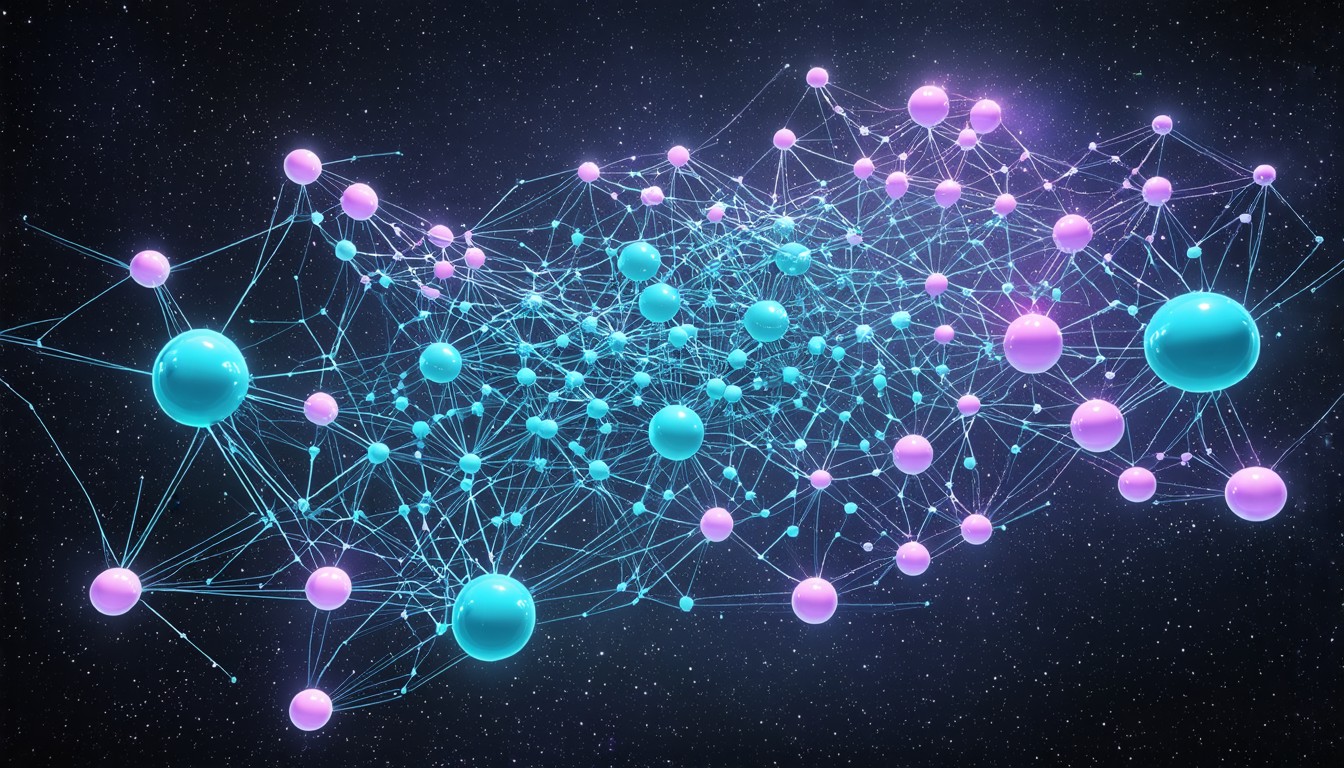
Learners interacting with advanced artificial intelligence systems encounter abstract concepts modeled in thousands of dimensions where traditional visualization fails due to built-in human perceptual limits. The human mind processes visual information primarily through three spatial dimensions, which creates a significant barrier when attempting to comprehend data structures that possess hundreds or thousands of independent variables. Superintelligence bridges this cognitive gap by acting as a translator that converts high-dimensional data structures into perceptible representations using sophisticated dimensionality reduction and topological mapping techniques. These mathematical processes allow the system to take complex, multi-variable inputs and distill them into forms that retain their essential relational structures while becoming accessible to human sensory input. This capability transforms education from a process of memorizing simplified analogies into a direct experience of handling the actual shape and behavior of complex data. The AI-driven system does not merely flatten data into a chart; it creates a dynamic environment where the learner can perceive the density, curvature, and connectivity of information spaces that would otherwise remain entirely invisible. By using the immense computational power of superintelligence, educational platforms can render these high-dimensional manifolds in real time, allowing students to manipulate and explore the very fabric of abstract mathematical thought.
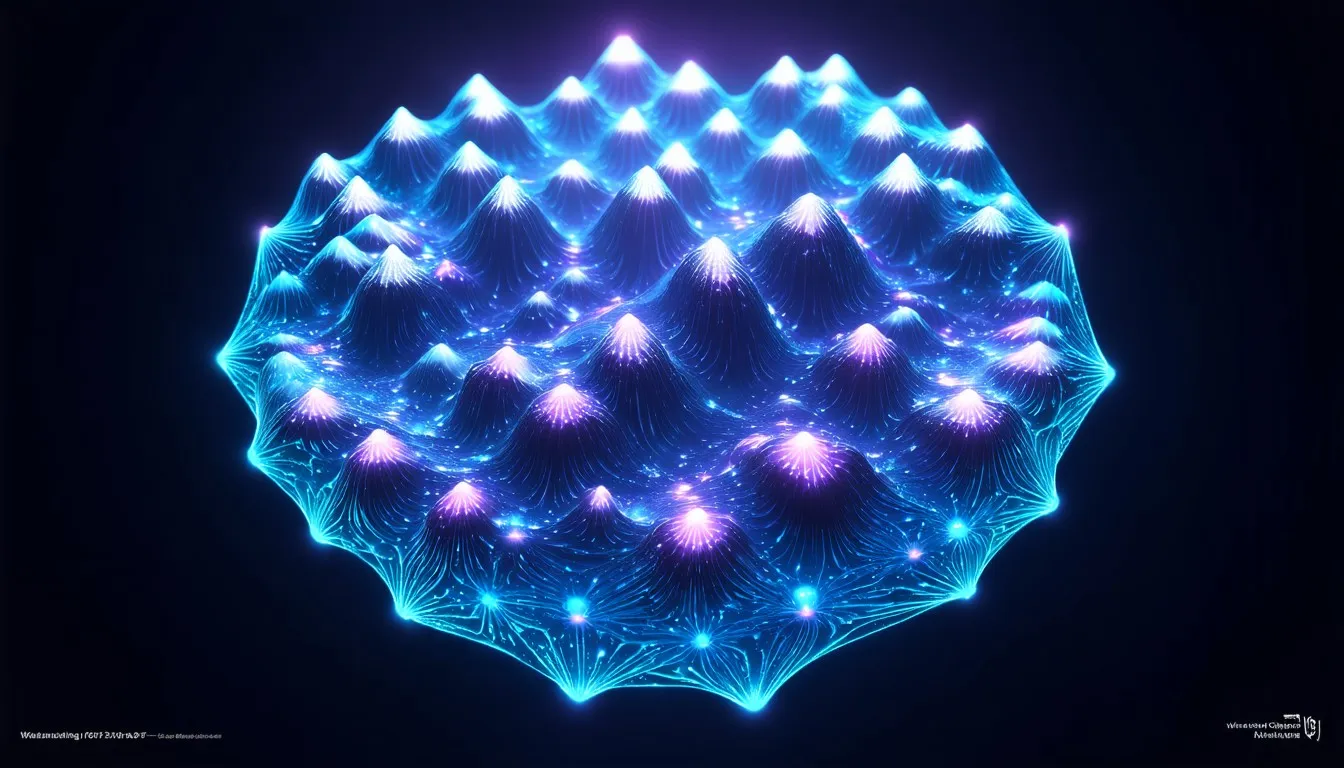
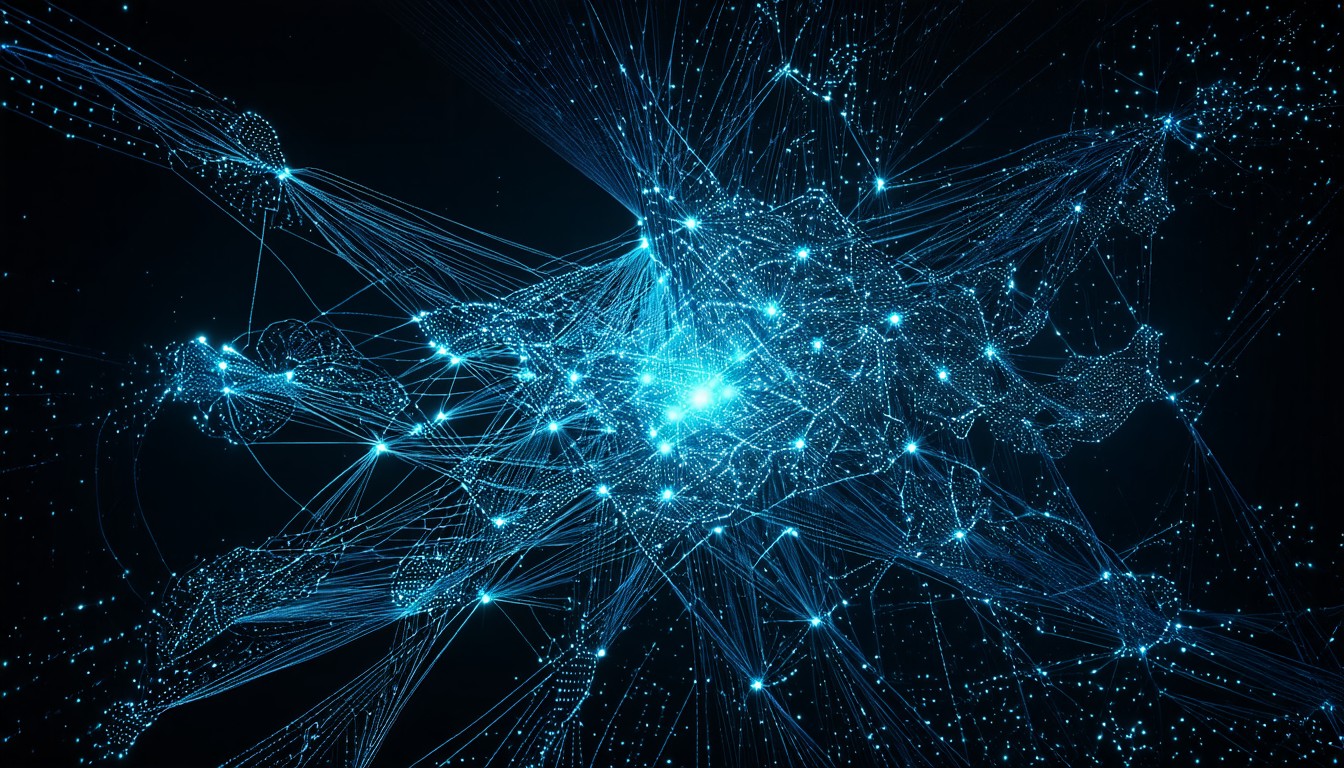
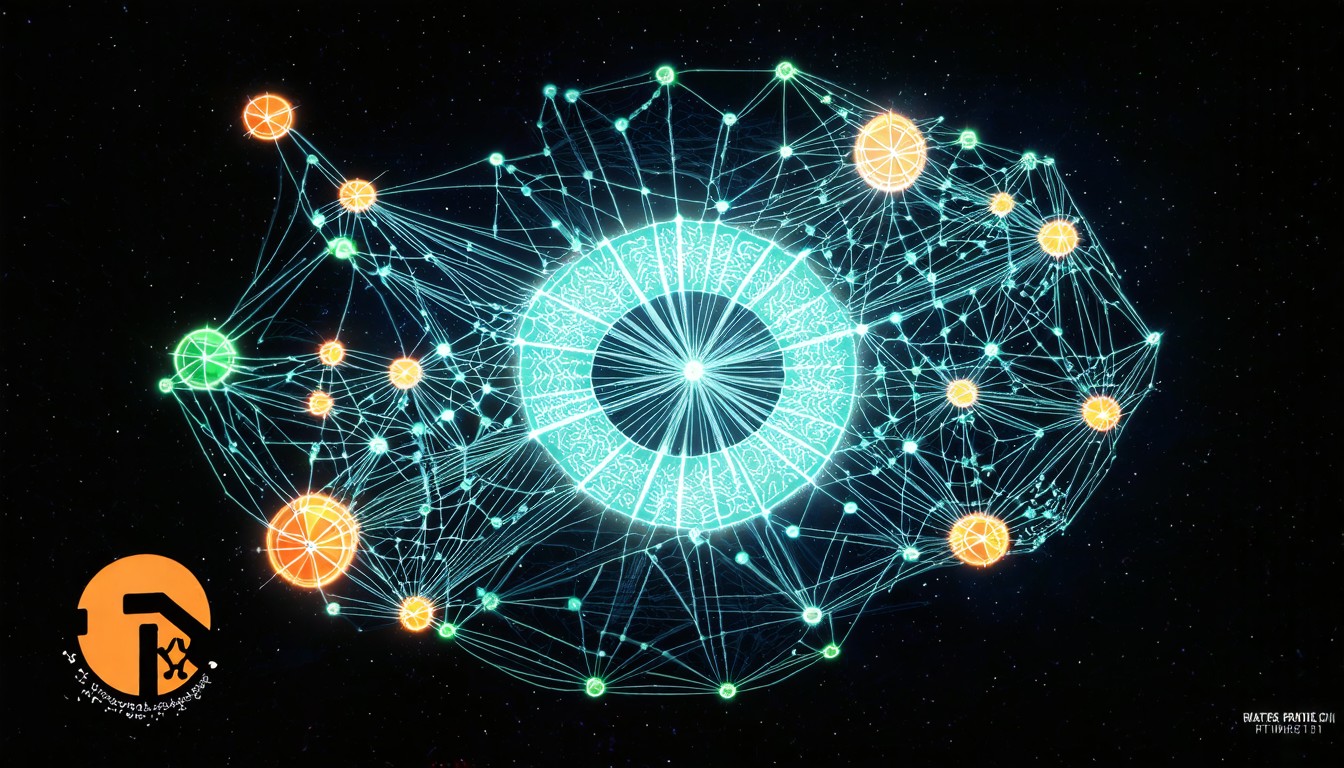
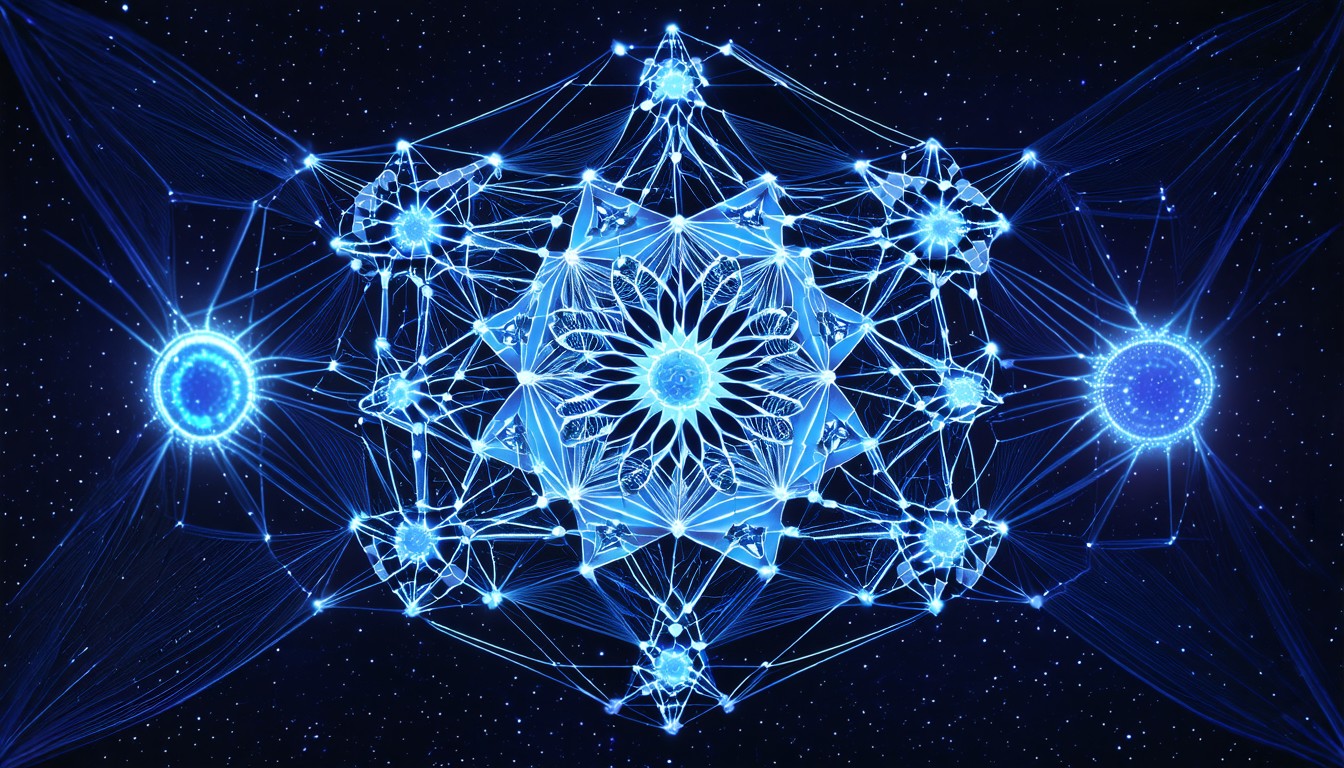
Core mechanisms rely on manifold learning algorithms that preserve both local and global structure when projecting from N-dimensional space to 3D or 2D visual output. Manifold learning operates on the principle that high-dimensional data often lies on a lower-dimensional manifold embedded within the higher space, similar to how a crumpled sheet of paper exists in three dimensions but can be smoothed to reveal its two-dimensional structure. Algorithms such as Uniform Manifold Approximation and Projection (UMAP) or t-Distributed Stochastic Neighbor Embedding (t-SNE) analyze the complex relationships between data points to determine how they should be arranged in a lower-dimensional space so that close neighbors in high dimensions remain close in the visualization. This preservation of neighborhood relationships is critical for educational purposes because it ensures that the visual representation accurately reflects the true similarities and differences within the dataset. Superintelligence enhances these traditional algorithms by improving parameters in real time to prevent the loss of subtle but crucial structural details that might otherwise be obscured during the reduction process. The system treats the educational content as a topological domain where hills, valleys, and clusters represent distinct conceptual categories or logical groupings. Students traversing this space gain an intuitive understanding of how different concepts relate to one another based on their spatial proximity within the rendered manifold.
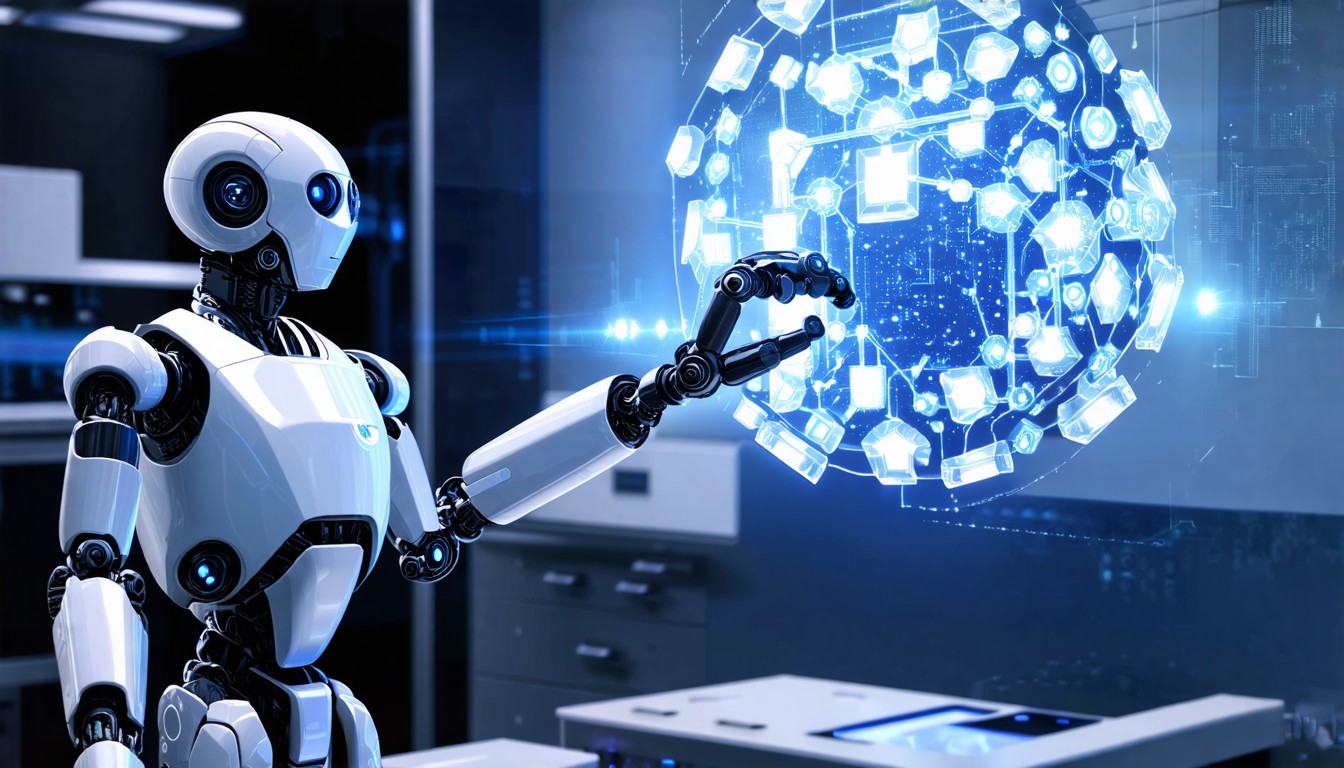
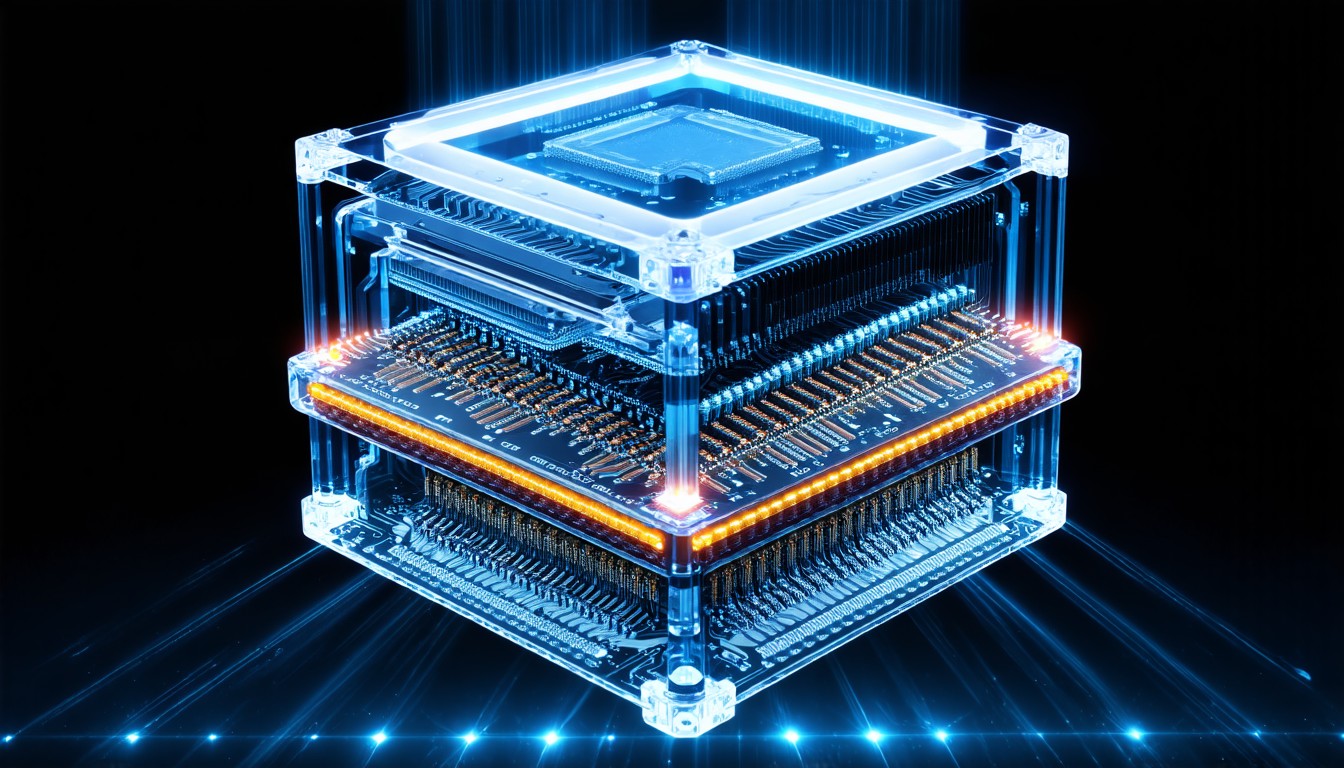
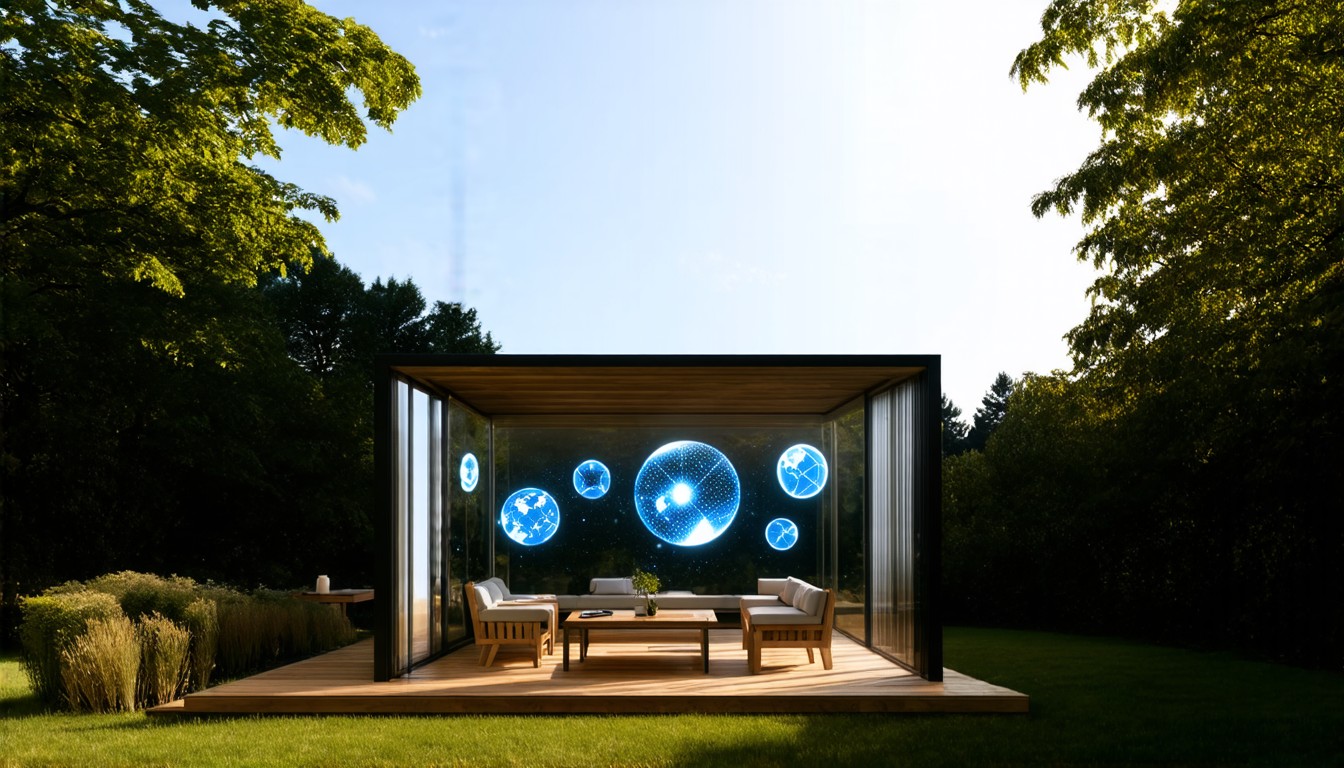
Output renders on a specialized display interface that simulates volumetric or holographic projection to enable spatial interaction with otherwise intangible mathematical spaces. These interfaces utilize light-field technology to project images at varying depths, allowing the human eye to focus on different planes within the volume without the need for wearable headgear or stereoscopic glasses. The definition of a holographic display in this context denotes any volumetric or light-field interface capable of conveying depth cues naturally, which reduces the cognitive strain associated with interpreting flat representations of three-dimensional objects. User interaction includes navigation controls allowing rotation, slicing, and scaling within the rendered space to simulate movement through abstract dimensions. A learner might rotate a complex function to view it from a different angle, slice through a cluster of data points to examine its internal composition, or scale the entire structure to observe overarching patterns that span vast distances in the data space. This tactile engagement with abstract ideas builds a deeper level of comprehension than passive observation because it uses the brain’s innate ability to understand physical objects and spatial relationships. The interface effectively turns abstract algebra or high-dimensional statistics into a manipulable object, granting the user agency over the conceptual material.
The system cultivates hyper-dimensional intuition by exposing users to consistent geometric patterns across dimensions to reinforce pattern recognition through iterative exposure. Hyper-dimensional intuition is defined here as the measurable ability to predict structural relationships in high-D spaces after training, even when those structures cannot be directly visualized. As a student interacts with the system, they begin to internalize the logic of how changes in one variable affect the overall shape of the data manifold across multiple dimensions simultaneously. The feedback loops adjust rendering parameters in real time based on user behavior to fine-tune for cognitive load and conceptual clarity. If the system detects that a user is struggling to understand a particular transition or cluster, it might slow down the animation, increase the contrast between related elements, or simplify the visual complexity temporarily to reduce cognitive overwhelm. Conversely, if a user demonstrates mastery of a concept, the system can increase the density of information presented or introduce additional dimensions to the visualization to expand the challenge. This adaptive pacing ensures that the educational experience remains within the zone of proximal development for each individual learner, maximizing the efficiency of knowledge transfer. The goal is to rewire the learner’s cognitive processes to accommodate reasoning about spaces that defy standard three-dimensional intuition.
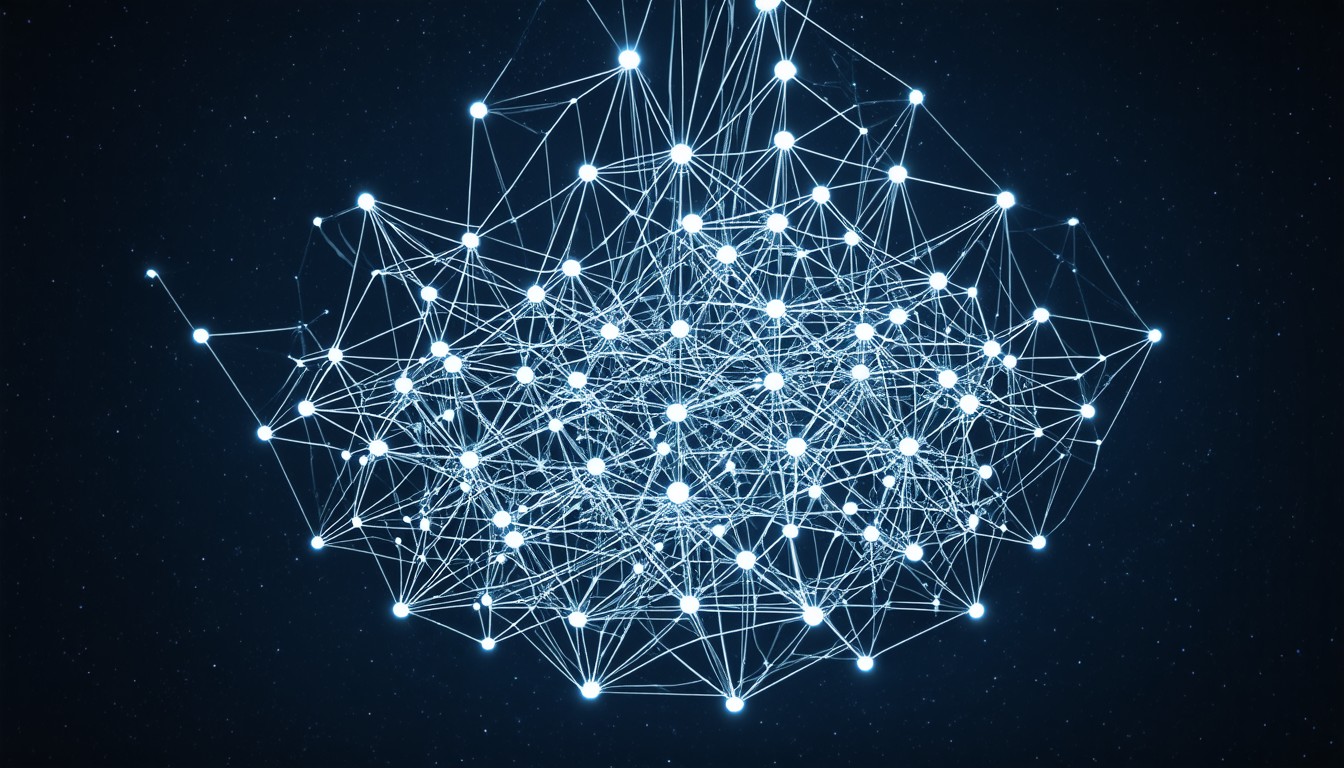
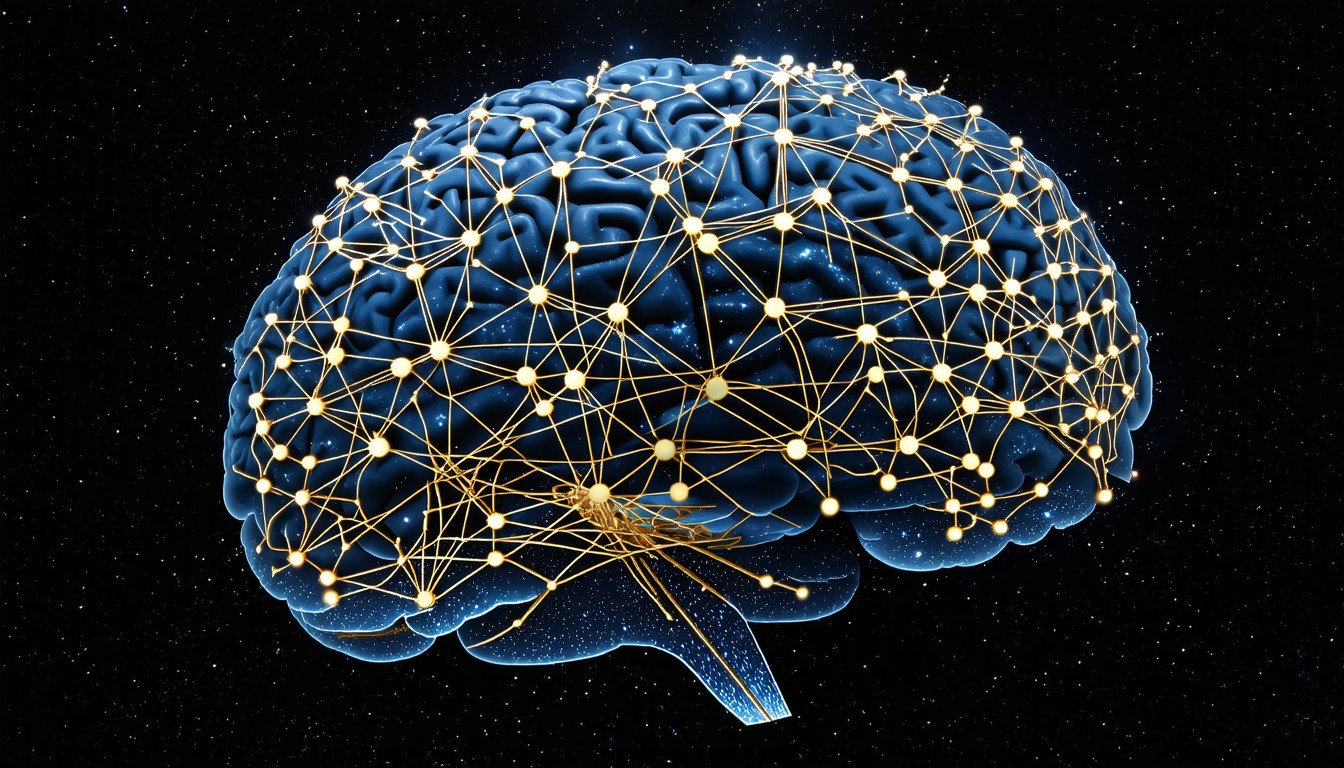
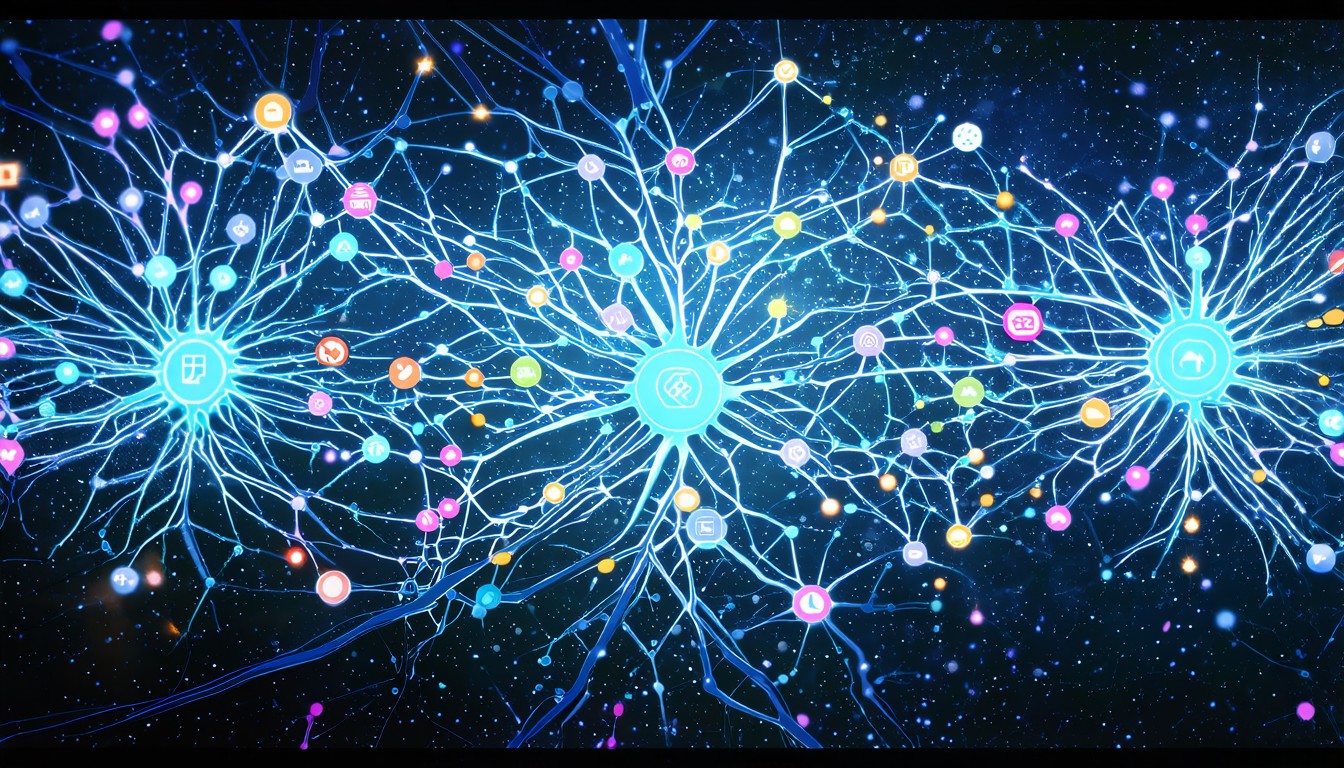
Historical development traces to early work in multidimensional scaling in the 1950s and advances in topological data analysis in the 2000s, providing the mathematical foundation for modern hyperspace navigation. Early researchers sought ways to visualize psychological and statistical data by representing distances between items as physical distances on a page, yet these methods were limited by the computational power available at the time. The recent connection of neural embeddings allows for complex concept representation within these frameworks by converting words, images, or logical propositions into dense vectors of numbers. These vector embeddings capture semantic meaning in a way that places similar concepts close together in a high-dimensional space, effectively mapping the domain of human knowledge itself. Superintelligence utilizes these embeddings to construct educational environments where concepts are not isolated facts but are situated within a vast, interconnected web of meaning. A student exploring the concept of “gravity” would find it situated near “physics,” “force,” and “orbit,” while also being connected to more abstract concepts like “calculus” and “field theory.” This contextual embedding mirrors the way knowledge is stored in the human brain, making the learning process more natural and effective than rote memorization of disjointed facts.
Physical constraints include computational latency in real-time rendering of high-D manifolds and limited resolution of current light-field displays. Rendering a volumetric image that changes dynamically as a user interacts with it requires an immense amount of graphical processing power, often exceeding the capabilities of standard consumer hardware. The system must calculate the position, color, and opacity of millions of light points sixty times per second to maintain the illusion of smooth motion and solid volume. Any lag between the user’s input and the system’s response disrupts the feeling of immersion and can break the cognitive link between the user’s action and the visual result. Energy costs of running large-scale embedding models present significant operational challenges because the servers hosting these superintelligent systems consume vast amounts of electricity. These energy requirements necessitate sophisticated cooling solutions and efficient hardware architectures to keep operational costs manageable while minimizing the environmental impact. The resolution of light-field displays is another limiting factor, as creating a truly convincing volumetric image requires pixels smaller than the eye can resolve at multiple depths, a manufacturing feat that remains difficult to achieve for large workloads.
Economic barriers involve high upfront costs for specialized hardware and a lack of standardized software frameworks for cross-platform deployment. The specialized equipment required to generate high-fidelity volumetric projections is currently expensive to produce, often requiring custom optics and high-density LED arrays that drive up the price of entry for educational institutions. There is a lack of standard software protocols that allow different hyperspace navigation systems to communicate with one another or share data formats seamlessly. This fragmentation forces organizations to rely on single vendors for their entire technology stack, which increases vendor lock-in and reduces competition in the marketplace. Developing standardized frameworks would allow educators to plug in different datasets or visualization modules without rebuilding their entire infrastructure from scratch. Until these standards develop, the adoption of hyperspace navigation technology will likely be restricted to well-funded research labs and elite universities, limiting equitable access to these powerful educational tools.
Adaptability suffers from the exponential growth of data volume with added dimensions, requiring approximate nearest-neighbor methods and sparse sampling to maintain responsiveness. As the number of dimensions in a dataset increases, the volume of the space increases so fast that the available data become sparse, a phenomenon known as the curse of dimensionality. This sparsity makes it computationally expensive to find exact matches or nearest neighbors for any given point because the algorithm must search through a vast, empty space to find relevant data points. To overcome this, systems employ approximate nearest-neighbor algorithms that trade a small degree of accuracy for a significant increase in speed. Sparse sampling techniques allow the system to render a lower-resolution preview of the data domain quickly, then add finer details as the user focuses on specific areas of interest. These strategies are essential for maintaining the real-time interactivity required for effective education, as users will not engage with a system that suffers from long loading times or stuttering performance. The ability to fluidly handle massive datasets is a hallmark of the superintelligence-enabled educational experience.
Alternative approaches, such as static 2D projections or VR-based walkthroughs, were rejected due to poor retention rates or inability to convey global structure. Static 2D projections force the viewer to mentally reconstruct the three-dimensional or higher-dimensional relationships from a flat image, a task that places a heavy cognitive load on working memory and often leads to misunderstandings of the data’s topology. While virtual reality offers stereoscopic depth, it introduces motion sickness and hardware dependency that can distract from the learning process and limit session duration. VR headsets isolate the user from their physical environment, which can be detrimental in collaborative classroom settings where students need to communicate with instructors and peers. Symbolic systems, which represent concepts through text or equations alone, lack the spatial grounding necessary for intuition development. While symbolic manipulation is precise, it does not provide the immediate gestalt understanding that comes from seeing the shape of a solution space. Hyperspace navigation combines the precision of symbolic logic with the intuitive power of spatial reasoning, offering a superior modality for learning complex systems.
Current relevance stems from the increasing complexity of AI models and scientific datasets that operate in high-dimensional parameter spaces. Modern deep learning models often have billions of parameters interacting in non-linear ways, making it nearly impossible for a human engineer to understand their inner workings through traditional code inspection or simple charts. Performance demands in fields like drug discovery and climate modeling require tools that make implicit relationships explicit to accelerate the pace of innovation. In drug discovery, for example, the shape of a protein molecule can be represented as a point in a high-dimensional space where each dimension is a chemical property or spatial coordinate. Researchers who can work through this space effectively are better equipped to identify potential drug candidates that bind to specific target sites. Similarly, climate models involve thousands of variables interacting over time, and visualizing these interactions helps scientists identify feedback loops and tipping points that might otherwise remain hidden in spreadsheets of raw numbers. The ability to reason intuitively about these high-dimensional systems is becoming a critical skill for the future workforce.
Societal needs include improved public understanding of algorithmic decision-making and equitable access to advanced cognitive tools. As algorithms play an increasingly central role in finance, healthcare, and governance, it becomes vital for the public to possess a functional literacy regarding how these systems operate. Hyperspace navigation tools can demystify black-box algorithms by visualizing the decision boundaries they create in feature space, showing users exactly why an algorithm made a specific classification or prediction. This transparency builds trust and allows for more informed democratic debate about the role of artificial intelligence in society. Equitable access to these tools ensures that the benefits of superintelligence-enhanced education are not confined to a privileged few but are distributed broadly across different socioeconomic groups. Providing students from diverse backgrounds with the opportunity to develop hyper-dimensional intuition could help level the playing field in STEM fields and create a more meritocratic talent pipeline for the industries of the future.

Commercial deployments include pilot programs in pharmaceutical R&D labs using TDA-enhanced visualization for molecular conformation analysis. These pilot programs have demonstrated significant improvements in research efficiency by allowing scientists to visually explore the conformational space of complex molecules rather than relying solely on computational chemistry simulations that output lists of numbers. Benchmark results indicate up to fifty percent improvement in hypothesis generation speed and a thirty percent reduction in misinterpretation of cluster boundaries compared to traditional PCA plots. Principal Component Analysis (PCA) is a linear method that often fails to capture complex non-linear relationships in data, whereas Topological Data Analysis (TDA) can identify holes, voids, and loops in the data structure that represent key physical properties of the molecule. By seeing these topological features directly, researchers can generate hypotheses about molecular behavior more rapidly and with greater confidence. These commercial successes validate the utility of hyperspace navigation beyond pure mathematics education, proving its worth as a practical tool for scientific discovery and industrial research.
Dominant architectures combine UMAP or t-SNE for dimensionality reduction with WebGL-based volumetric rendering engines to deliver responsive visualizations through standard web browsers. This combination allows for broad accessibility without requiring users to install proprietary software, applying the ubiquity of web browsers to distribute complex visualizations to a wide audience. Developing challengers explore persistent homology visualizations and diffusion map embeddings for better preservation of topological features during the reduction process. Persistent homology focuses on identifying features that persist across multiple scales of analysis, providing a strong summary of the data’s shape that is less sensitive to noise than other methods. Diffusion maps are particularly effective at capturing geometric structures in data that arise from stochastic processes or dynamical systems, making them well-suited for analyzing time-series data or biological systems. Competition in this space drives innovation in rendering fidelity, latency reduction, and user customization options as companies vie to provide the most intuitive and powerful platforms for data exploration. The connection with existing data pipelines is a key differentiator, as organizations prefer solutions that integrate seamlessly with their current databases and analytics workflows.
Supply chain dependencies center on GPU availability for real-time computation and rare-earth elements used in advanced display optics. The production of high-performance graphics processing units is concentrated in a small number of fabrication plants around the world, making the supply chain vulnerable to geopolitical disruptions or natural disasters. Material limitations include indium tin oxide for transparent electrodes and specialized phosphors for full-color light-field projection, both of which are difficult to source in large quantities due to limited mining capacity and refining capabilities. These material constraints can limit the production adaptability of specialized display hardware, potentially driving up prices or delaying deployment schedules for new educational facilities. Companies involved in this sector must carefully manage their inventory and invest in alternative materials or recycling programs to mitigate the risk of supply shortages. The reliance on complex global supply chains highlights the intersection of advanced technology with physical resource limitations, reminding us that digital educational tools are built upon tangible physical foundations.
Major players include academic spin-offs with domain expertise in computational topology and tech firms offering cloud-based embedding services. Academic spin-offs often bring advanced research directly to the market, possessing deep theoretical knowledge that allows them to tackle difficult visualization challenges that larger companies might overlook. Tech giants offering cloud services provide the massive computational infrastructure required to run large-scale embedding models and serve visualizations to millions of users simultaneously. Competitive differentiation occurs along axes of rendering fidelity, latency, user customization, and connection with existing data pipelines. Some companies prioritize ultra-low latency for real-time interaction, while others focus on photorealistic rendering quality to create immersive environments that rival physical reality. Global markets face export controls on high-performance computing components, affecting regional access to cognitive infrastructure. These controls can create disparities in technological capability between nations, potentially leading to a divide where some regions have access to advanced educational tools while others are left behind due to trade restrictions.
Adoption varies by region with some markets emphasizing ethical AI alignment while others prioritize defense and commercial applications. In regions with strong regulatory frameworks, there is a focus on ensuring that hyperspace navigation tools do not reinforce biases present in training data or mislead users through misleading visual representations. Conversely, regions focused on defense applications may prioritize speed and functionality over ethical considerations, seeking to gain a strategic advantage in military simulations or intelligence analysis. Academic-industrial collaboration is evident in joint grants for human-computer interaction research and shared testbeds for evaluating learning outcomes. These collaborations ensure that commercial products are grounded in rigorous pedagogical research and that academic findings are translated into practical tools for the market. Shared testbeds allow researchers from different institutions to compare the effectiveness of different visualization techniques using standardized datasets and evaluation metrics.
Required adjacent changes include updates to data governance policies to handle high-D metadata and upgraded networks to support low-latency streaming. Current data governance frameworks are often designed around structured tabular data and may not adequately address the unique privacy and ownership concerns associated with high-dimensional embeddings derived from personal information. Upgrading network infrastructure is essential because transmitting volumetric video requires significantly higher bandwidth than standard video streaming to maintain the interactive frame rates necessary for immersion. Regulatory frameworks must adapt to classify cognitive augmentation tools and define safety standards for prolonged exposure to abstract visual stimuli. Just as occupational safety standards exist for physical machinery, standards must be developed to prevent cognitive fatigue, eye strain, or disorientation resulting from extended use of hyperspace navigation systems. These regulations will need to be flexible enough to accommodate rapid advancements in technology while providing clear guidelines for manufacturers and educators.
Second-order consequences include displacement of roles reliant on manual data interpretation and the creation of new professions in conceptual cartography. As AI systems become capable of interpreting complex datasets autonomously, human roles focused on manual data entry or basic statistical analysis will likely become obsolete. This displacement will be accompanied by the creation of new roles such as conceptual cartographers who design and curate the maps used to work through high-dimensional spaces. These professionals will need a unique blend of artistic sensibility and mathematical rigor to create visualizations that are both beautiful and scientifically accurate. New business models center on subscription-based access to hyperspace navigation platforms and certification programs for hyper-dimensional literacy. Instead of purchasing software outright, organizations may subscribe to cloud-based services that provide access to the latest visualization tools and datasets on a recurring basis. Certification programs will appear to validate an individual’s proficiency in working through and interpreting high-dimensional spaces, creating a new credential that is highly valued in the job market.
Measurement shifts necessitate KPIs beyond accuracy and speed such as conceptual transfer rate and structural insight depth. Traditional educational metrics often focus on test scores or completion times, yet these metrics fail to capture the qualitative improvement in intuition that comes from hyperspace navigation. Conceptual transfer rate measures how effectively a learner can apply a pattern learned in one context to a completely different domain within the high-dimensional space. Structural insight depth attempts to quantify the complexity of the relationships a learner can discern, rewarding them for identifying deep topological features rather than superficial correlations. These new metrics will provide a more holistic view of cognitive development and help educators refine their teaching strategies to maximize long-term retention and understanding. Future innovations may integrate real-time EEG feedback to adapt visualizations to individual cognitive states or embed collaborative annotation layers.
Electroencephalography (EEG) sensors can detect patterns of brain activity associated with focus, confusion, or boredom, allowing the system to adjust the difficulty or presentation style of the content dynamically based on the user’s mental state. Collaborative annotation layers would enable multiple users to mark up and discuss specific features of the visualization together, turning solitary exploration into a shared social learning experience. Convergence points exist with quantum computing for simulating high-D state spaces and neuromorphic hardware for efficient manifold learning. Quantum computers excel at handling the combinatorial complexity of high-dimensional systems, potentially allowing for real-time simulation of manifolds that are currently too large for classical computers. Neuromorphic hardware, which mimics the architecture of the biological brain, offers a path towards extremely energy-efficient processing of the neural networks used for dimensionality reduction. Generative AI will create synthetic training environments within these hyperspaces to accelerate human learning of abstract patterns.
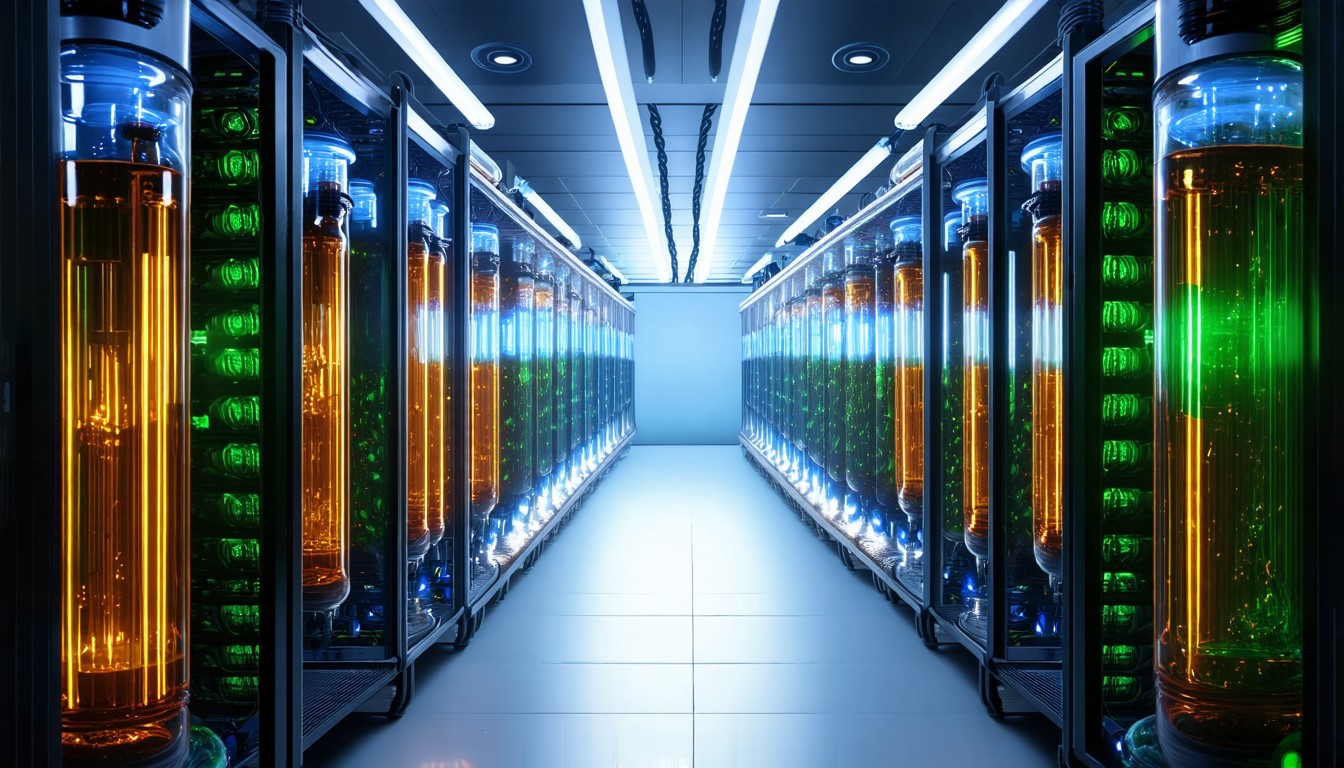
Instead of relying solely on existing datasets, generative models can produce infinite variations of specific geometric structures or data clusters, allowing learners to practice recognizing patterns until they achieve mastery. Scaling physics limits include diffraction constraints in optical displays and thermal dissipation in dense compute arrays. Diffraction limits the minimum size of pixels that can be used in optical displays, restricting the resolution of volumetric projections. Thermal dissipation becomes a critical issue as compute arrays become denser to improve performance, requiring advanced cooling solutions such as liquid immersion or two-phase cooling systems to prevent overheating. Workarounds involve hybrid electro-optical processing and edge-based preprocessing to manage these physical constraints. Hybrid systems use optical processors for tasks they are naturally suited for, such as Fourier transforms, while using electronic processors for logic and control tasks. Edge-based preprocessing reduces the amount of data that needs to be transmitted to central servers, alleviating bandwidth constraints and reducing latency.
Hyper-dimensional intuition functions as a foundational cognitive upgrade enabled by mutually beneficial human-AI systems. This intuition is a permanent expansion of human cognitive capabilities, allowing individuals to reason about complexity in ways that were previously impossible without extensive computational aid. The relationship between human and machine is interdependent; the human provides creative direction and ethical oversight, while the AI provides computational power and dimensional translation. Calibrations for superintelligence will involve aligning rendering fidelity with the agent’s internal representation space to avoid ontological mismatches. An ontological mismatch occurs when the visual representation presented to the user deviates significantly from the way the AI actually is the concept internally, leading to potential misunderstandings or errors in communication. Careful calibration ensures that the user’s mental model remains congruent with the system’s logic, facilitating smooth collaboration between biological and artificial intelligence.
Superintelligence will utilize this framework to externalize its reasoning processes for transparent auditing and collaborative problem-solving. By visualizing its internal thought chains as paths through a high-dimensional domain, a superintelligent agent can allow human auditors to inspect its logic for errors or biases. This transparency is crucial for safety-critical applications where trust in the AI’s decision-making is crucial. Future superintelligent agents will employ these systems to enable self-diagnosis of conceptual blind spots and facilitate human understanding of complex logic. An agent could analyze its own knowledge graph represented as a hyperspace map to identify areas where its understanding is sparse or contradictory, then request assistance from human collaborators to fill those gaps. This collaborative approach uses the strengths of both humans and machines, combining the vast knowledge base of the AI with the creativity and generalizability of the human mind.