Knowledge hub

Liquid Neural Networks

Liquid Neural Networks

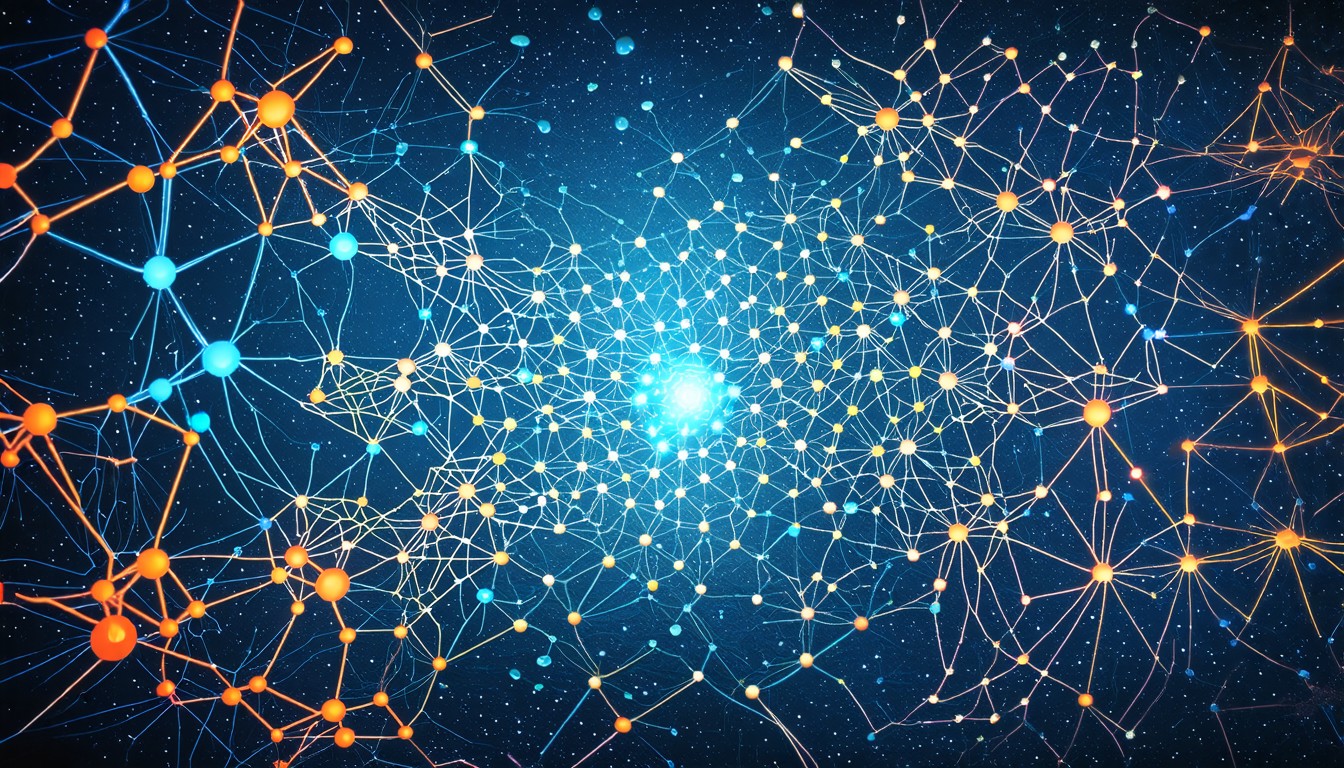
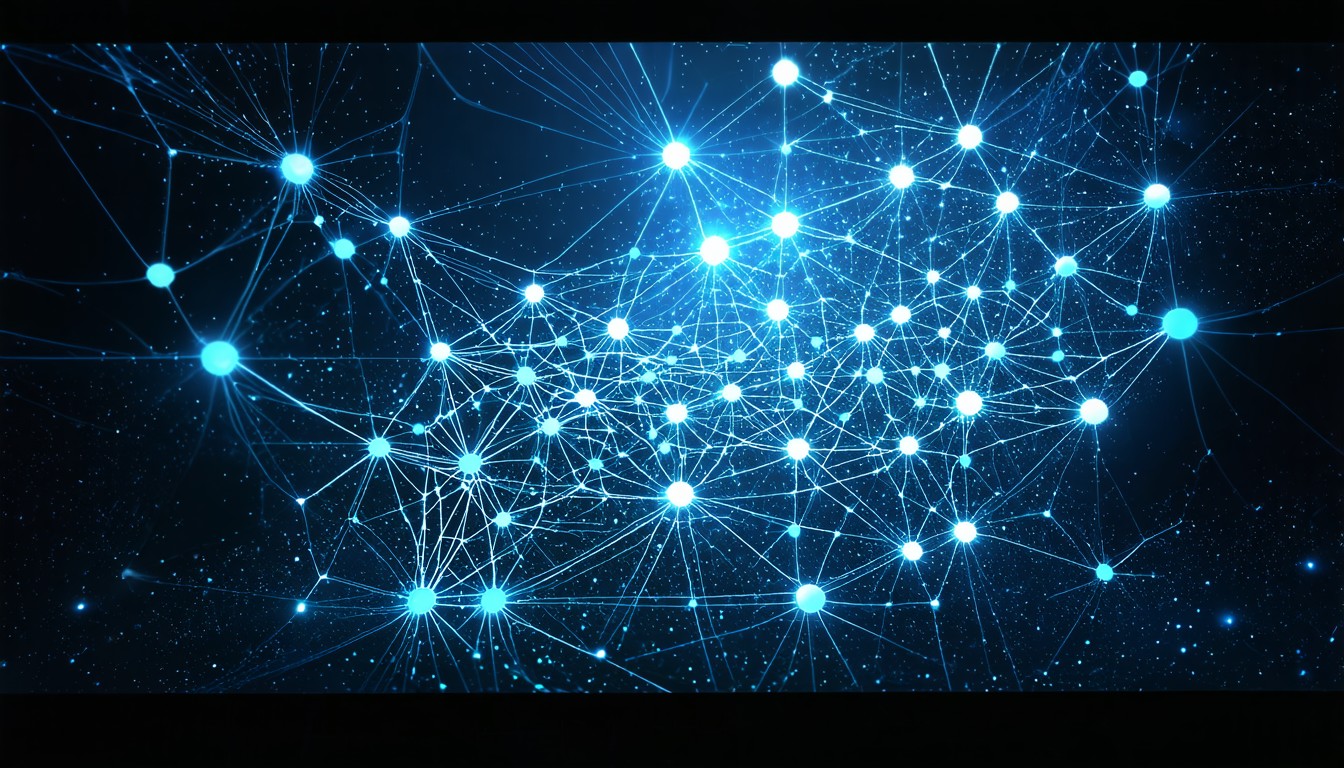
Liquid Neural Networks represent a class of adaptive, time-continuous neural models inspired by the active behavior of biological neurons found in the nematode C. elegans. These models differ fundamentally from discrete, feedforward artificial neural networks by processing information continuously rather than in fixed steps. Biological neurons operate in a regime where electrical potentials fluctuate in real-time, responding to stimuli with varying latencies and durations, a behavior that traditional artificial neurons struggle to replicate due to their reliance on clock-driven updates. The architecture of Liquid Neural Networks relies on a system of coupled non-linear ordinary differential equations to govern neuron activations over time, creating a dynamic system where the state of the network is a function of both the current input and the history of previous states encoded in the continuous evolution of the system. This approach moves away from the rigid discretization of time found in standard recurrent networks, allowing for a more natural representation of temporal phenomena that occur in the physical world.
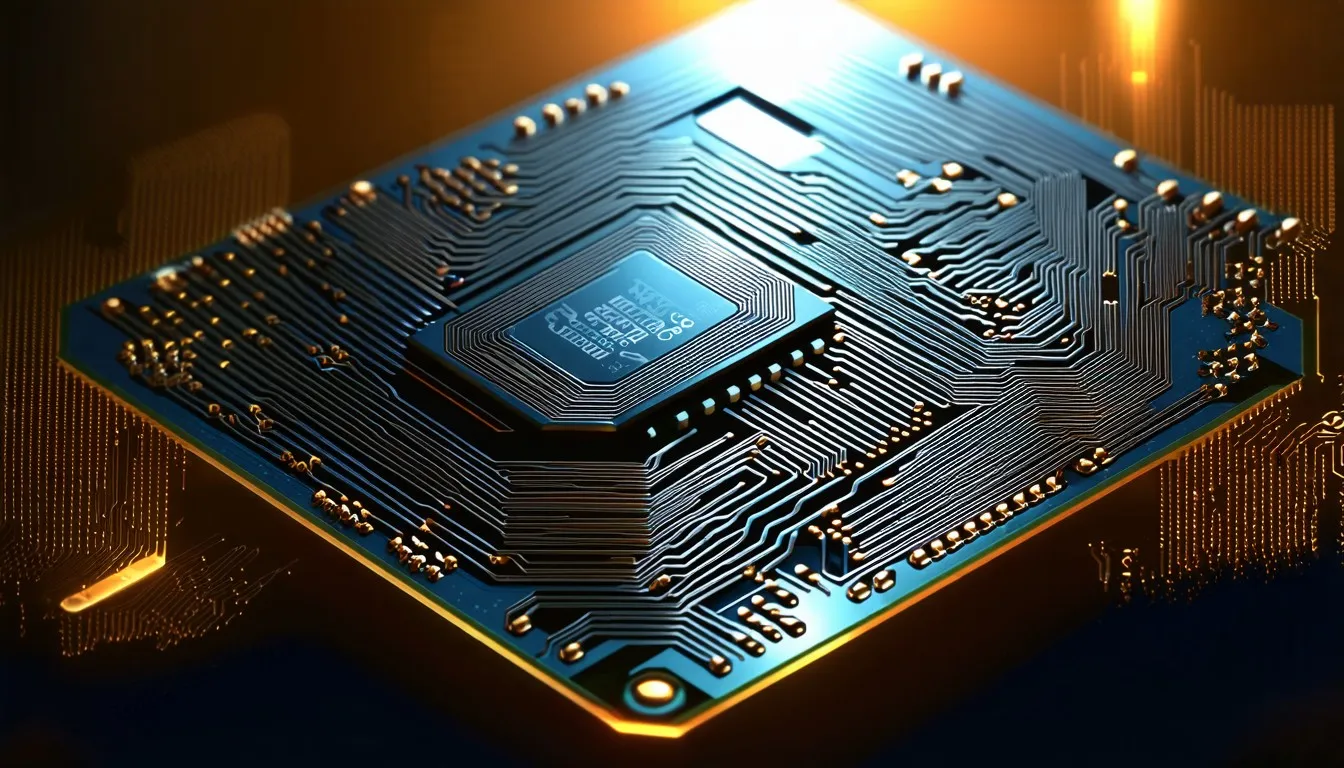
This continuous-time formulation allows the network to adapt to incoming data streams without the rigid time-step constraints found in standard recurrent networks. In conventional recurrent neural networks, the model updates its hidden state at discrete intervals, which can lead to information loss or aliasing if the sampling rate does not match the dynamics of the input signal. Conversely, Liquid Neural Networks treat time as a continuous variable, enabling the model to interpolate between data points and respond to changes at arbitrary moments. Neurons in this framework possess adaptive time constants that change based on the input, enabling flexible responses to varying signal speeds. This adaptability is crucial for processing real-world signals that exhibit non-stationary statistics, where the frequency and amplitude of relevant features can change rapidly over the course of an observation. Standard recurrent or transformer-based architectures maintain fixed internal states, whereas LNNs update their states smoothly and responsively to input variations.

The fixed state updates in traditional models often require extensive training to learn the appropriate timing mechanisms, typically implemented as gating mechanisms in LSTMs or positional encodings in Transformers. Liquid Neural Networks bypass this requirement by endowing each neuron with a dynamical system that inherently possesses temporal memory and responsiveness. This mechanism provides an advantage in handling irregular sampling and variable input rates, which are common challenges in sensor data and robotics. Sensors in autonomous systems often generate data asynchronously due to hardware limitations or event-driven triggers, making it difficult for synchronous networks to process efficiently without complex buffering or interpolation schemes that introduce latency and noise. The core mathematical framework involves differentiable ordinary differential equation solvers that enable gradient-based optimization of the continuous-time dynamics. By modeling the neural network as a differential equation, researchers can employ techniques from optimal control theory to compute gradients efficiently.

Training these networks utilizes backpropagation through time or adjoint sensitivity methods to adjust synaptic weights based on error signals. The adjoint sensitivity method is particularly significant because it allows for the computation of gradients with constant memory cost regarding the number of time steps taken by the solver, which alleviates some of the memory burdens associated with training deep recurrent networks. This mathematical foundation ensures that the network learns not just a mapping from input to output, but a governing dynamical law that describes how the system should evolve over time to minimize the specified loss function. Key operational components include a liquid layer of neurons with lively time constants and a readout layer that translates the internal state into task-specific outputs. The liquid layer acts as a reservoir of adaptive activity, projecting the input signal into a high-dimensional space where temporal features become linearly separable. The readout layer, typically a simple linear regression or classifier, then extracts the relevant information from this high-dimensional projection.

Traditional models like LSTMs or Transformers often struggle with extrapolation under distribution shifts, whereas LNNs demonstrate reliability in non-stationary environments. Because LNNs learn the underlying dynamics of the data generation process rather than memorizing specific sequences, they are better equipped to handle situations where the statistical properties of the input drift over time or when presented with inputs that fall outside the training distribution. The “liquid state” refers to the evolving activation pattern across the network, which serves as a high-dimensional representation of temporal context. Unlike the hidden states in standard RNNs, which can saturate or vanish over long sequences, the liquid state maintains a rich, evolving signature of the input history due to the continuous interaction between neurons governed by differential equations. Current benchmarks indicate that LNNs achieve superior sample efficiency compared to LSTMs, requiring fewer parameters to learn complex temporal dependencies. This efficiency stems from the fact that the continuous dynamics impose strong inductive biases that are well-suited for temporal reasoning, allowing the model to generalize from fewer examples.

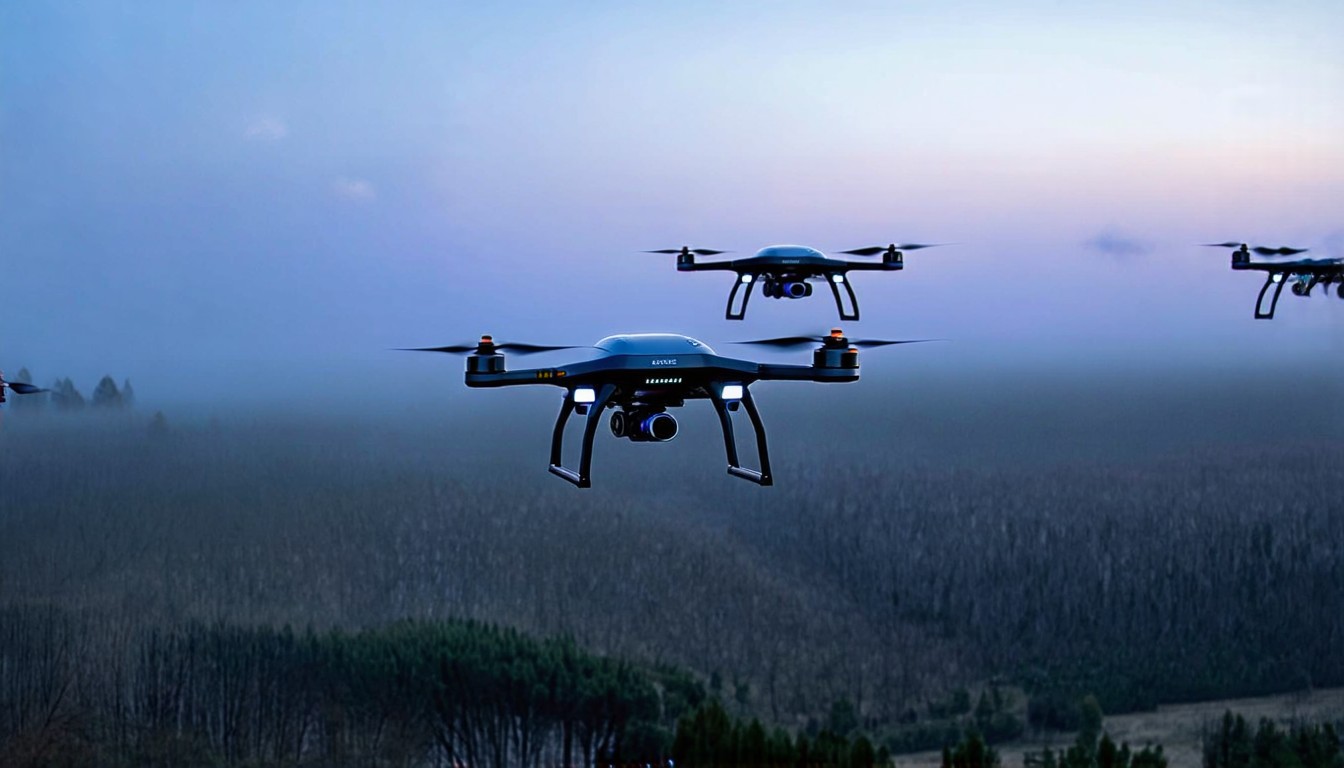
The reduction in parameter count also implies a reduced risk of overfitting, making these models particularly valuable in scenarios where data is scarce or expensive to acquire. Experimental deployments include drone navigation systems where the models process visual data with high temporal granularity. In these applications, the ability to process continuous video streams without frame-by-frame discretization allows for smoother control loops and faster reaction times to obstacles or changes in arc. Medical signal processing applications utilize these networks for EEG anomaly detection due to their ability to handle physiological noise and irregular sampling. Electroencephalogram data is notoriously noisy and non-stationary, with significant variations in sampling rates across different devices. The continuous-time nature of LNNs allows them to align signals from different sources naturally and detect anomalies that create as subtle shifts in the underlying dynamics of brain activity rather than explicit morphological changes in the waveform.

Industrial predictive maintenance systems employ LNNs to monitor equipment health through continuous sensor streams. Vibration analysis and acoustic emissions from machinery provide a continuous stream of data that contains early warning signs of mechanical failure. Traditional discrete models often miss these early signs because they occur between sampling intervals or are masked by noise that requires sophisticated filtering. These models excel in scenarios requiring low-latency inference and energy efficiency, making them suitable for edge devices where computational resources are limited. The ability to run inference on continuous analog inputs without the need for high-speed digital sampling buffers reduces the overall energy consumption of the sensing system, extending the battery life of portable monitoring equipment. Dominant architectures currently involve small-scale, single-layer networks trained with Euler or Runge-Kutta numerical solvers.

While these architectures have proven effective for specific control and signal processing tasks, they represent only the initial step in the development of continuous-time neural computation. Hybrid models combining LNNs with transformers are being developed to apply the strengths of both continuous dynamics and structured reasoning. These hybrid architectures aim to use the temporal efficiency of LNNs for processing raw sensory streams while utilizing the attention mechanisms of Transformers to perform complex symbolic reasoning and setup over long sequences. This combination addresses one of the primary limitations of pure LNNs, which is the difficulty of performing attention-based operations over very long goals within a continuous differential equation framework. Physical constraints include the computational overhead required for numerical connection of differential equations during the forward pass. Solving differential equations numerically involves iterative approximation methods that can be computationally expensive compared to the single matrix multiplication required by a standard feedforward layer.

Memory demands increase significantly because the system must store intermediate states for gradient calculation during training, although adjoint methods mitigate this to some extent. Current hardware such as GPUs and TPUs is improved for batched, discrete matrix operations, creating inefficiencies when simulating continuous-time dynamics. The parallel processing units of modern accelerators are designed to maximize throughput for large matrix multiplications, whereas the sequential nature of numerical ODE solvers limits the degree of parallelism achievable during the forward pass of a Liquid Neural Network. Neuromorphic hardware offers a potential solution by using analog components to naturally implement the differential equations. By constructing physical circuits that obey the same differential equations as the network model, neuromorphic chips can perform inference in true continuous time without the need for numerical approximation. Supply chain dependencies focus on the availability of high-precision analog components and specialized fabrication processes like memristor-based circuits.

Memristors provide a physical substrate for implementing adaptive synaptic weights that change resistance based on the history of current flow, closely mimicking the plasticity of biological synapses. Major technology companies and startups like Liquid AI are actively researching these architectures to overcome the limitations of digital hardware and open up the full potential of continuous-time neural processing. Scaling physics limits arise from thermal noise in analog implementations and numerical instability in deep stacks of differential equations. As the depth of the network increases, small perturbations in the initial conditions or parameters can lead to exponential divergence in the solutions, a phenomenon known as sensitivity to initial conditions or chaos in dynamical systems theory. Regularization techniques and hybrid digital-analog designs serve as workarounds for these stability issues. Researchers have developed spectral normalization methods specifically for differential equation layers to ensure that the Lipschitz constants of the network remain bounded, preventing uncontrolled growth of gradients during training.

Hybrid designs utilize digital logic for control and routing while relying on analog cores for the heavy lifting of continuous state evolution. Software frameworks must evolve to support native ODE-based layers within existing libraries like PyTorch or JAX. Current deep learning frameworks are improved for static computational graphs where tensor operations are defined explicitly by the programmer. Working with ODE solvers requires these frameworks to support implicit layers where the output is defined as the solution to an optimization problem or a differential equation solver rather than a direct algebraic operation. Measurement metrics for these systems require a shift toward temporal coherence and adaptation latency rather than standard accuracy or FLOPs. Standard accuracy metrics fail to capture the ability of a model to maintain a consistent internal state over time or to adapt quickly to sudden changes in the environment, necessitating new evaluation protocols that focus on the stability and responsiveness of the learned dynamics.

Future innovations will likely involve fully analog implementations on neuromorphic chips to reduce power consumption further. These implementations would eliminate the energy overhead associated with analog-to-digital conversion and digital signal processing, allowing sensory data to remain in the analog domain throughout the computation process. Connection with spiking neural networks will enable ultra-low-power operation for autonomous systems by restricting communication between neurons to sparse binary events. Spiking Neural Networks share the biological inspiration of LNNs but operate on discrete events; combining them with continuous dynamics offers a path to building systems that are both efficient and capable of complex temporal reasoning. Convergence points exist with event-based vision sensors and brain-computer interfaces that require continuous state estimation from sparse, asynchronous inputs. Superintelligence will utilize Liquid Neural Networks as foundational modules for real-time world modeling.

The ability to maintain a coherent, continuously updating model of the world is essential for an intelligence that operates at speeds significantly faster than human cognition while interacting with physical reality that operates at human scales. These advanced systems will maintain coherent internal states across heterogeneous data streams to facilitate unified reasoning over time. A superintelligent agent must integrate visual, auditory, and textual information into a single unified narrative of events, a task that requires the flexible temporal alignment provided by continuous-time dynamics rather than the rigid synchronization of discrete frames. Superintelligence will rely on the continuous belief updates provided by LNNs to reduce the latency between perception and action. In high-frequency trading or autonomous driving, even milliseconds of delay can result in significant suboptimal outcomes; therefore, the architecture supporting such intelligence must process information as soon as it arrives without waiting for a batch buffer to fill. The ability to process temporal data without discrete batching will allow superintelligence to interact with the physical world in a fluid manner, reacting to unforeseen events with the same immediacy as biological organisms.

This fluidity is necessary for smooth collaboration between humans and machines in shared workspaces where rigid turn-taking protocols would impede productivity. Future superintelligent agents will employ self-calibrating time constants learned directly from environmental feedback to improve their processing speed for the task at hand. Just as a human driver focuses attention more intently during complex maneuvers, a superintelligent system will dynamically adjust its internal temporal resolution to allocate computational resources to the most critical aspects of the environment. This architecture will enable superintelligence to prioritize responsiveness over memorization in active environments where historical data becomes obsolete quickly due to rapid changes in context. The shift from static pattern recognition to lively system interaction will define the next generation of artificial intelligence, moving beyond the classification of static datasets to the active participation in adaptive processes. The mathematical rigor behind differentiable ODE solvers provides a durable framework for verifying the stability and safety of these superintelligent systems before deployment.

Formal verification techniques used in control theory can be applied to the differential equations governing the network to guarantee that the system remains within safe operational bounds under all possible input conditions. This level of assurance is impossible with black-box deep learning models whose behavior is often unpredictable outside the training distribution. As these systems scale, the interaction between stability, adaptability, and computational efficiency will become the central focus of artificial intelligence research, driving the development of new algorithms and hardware architectures specifically designed for continuous-time computation. The connection of Liquid Neural Networks into larger cognitive architectures will likely involve hierarchical structures where lower-level layers process raw sensory data at high temporal resolutions, while higher-level layers operate on abstract representations at slower timescales. This hierarchical temporal structure mirrors the organization of the mammalian cortex and allows for efficient processing of information spanning multiple timescales, from microseconds to years. Training such hierarchical systems will require novel curriculum learning strategies that gradually expose the network to increasingly complex temporal dependencies, allowing it to develop stable representations at each level of abstraction before connecting with them into a unified model of the world.

Research into closed-loop systems where LNNs control physical plants will drive improvements in reliability and fault tolerance. In these settings, the network must maintain stable performance despite sensor failures, actuator degradation, or unexpected disturbances in the environment. The intrinsic stability properties of certain classes of differential equations can be exploited to design networks that are intrinsically strong to such perturbations, ensuring safe operation even in adverse conditions. This reliability is a prerequisite for the deployment of autonomous systems in critical infrastructure such as power grids, transportation networks, and healthcare facilities where failure is unacceptable. The transition from digital to analog computing approaches is a transformation in how we conceptualize information processing in machines. Digital computing relies on precise Boolean logic and error-correcting codes to maintain accuracy, whereas analog computing embraces noise and uncertainty as built-in features of the physical world that can be applied for computation.

Liquid Neural Networks bridge this gap by providing a mathematical interface between the discrete digital world of software and the continuous analog world of hardware, enabling the smooth translation of learned algorithms into physical substrates that compute with nature’s own dynamics. Advancements in material science will play a critical role in realizing efficient analog implementations of LNNs. The discovery of materials with non-linear memristive properties that can be reliably fabricated for large workloads will determine the commercial viability of neuromorphic chips for large-scale AI applications. The development of cryogenic computing technologies could allow for the implementation of ultra-fast analog circuits with minimal thermal noise, opening up new possibilities for real-time simulation of complex physical phenomena at speeds currently unattainable with digital computers. The theoretical understanding of representational capacity in continuous-time neural networks lags behind that of discrete networks, presenting a significant open challenge for the research community. Establishing universal approximation theorems for LNNs and characterizing the class of dynamical systems they can represent will provide necessary theoretical guarantees for their use in safety-critical applications.

This theoretical work must go hand-in-hand with empirical research to ensure that the practical success of these models is grounded in a solid mathematical foundation rather than heuristic experimentation. Data efficiency will become a defining advantage of LNNs as the demand for AI grows in domains where data is scarce or expensive to collect. In scientific discovery, for example, experimental data is often limited by the cost and availability of physical experiments. The ability of LNNs to learn accurate models from small datasets by incorporating strong inductive biases about temporal continuity will accelerate scientific progress in fields such as materials science, genomics, and climate modeling where traditional deep learning approaches have struggled due to data limitations. The ethical implications of deploying superintelligent systems based on LNNs revolve primarily around their opacity and decision-making processes. While continuous-time models may offer better interpretability than deep black-box networks due to their grounding in dynamical systems theory, ensuring that their reasoning aligns with human values remains a significant challenge.

Developing techniques for extracting human-readable explanations from the direction of these networks will be essential for building trust and facilitating human oversight in high-stakes decision-making scenarios. Collaboration between neuroscientists and computer scientists will be crucial for advancing the best in Liquid Neural Networks. Insights from biological neural circuits continue to provide inspiration for new network architectures and learning rules that are more efficient and robust than purely engineering-driven designs. Conversely, artificial LNNs serve as powerful tools for testing hypotheses about brain function by providing controllable platforms for simulating complex neural dynamics that are difficult to measure experimentally in living organisms. The economic impact of efficient continuous-time AI will be meaningful, particularly in industries reliant on real-time processing and control. Manufacturing, logistics, energy management, and telecommunications stand to benefit significantly from the reduced latency and power consumption offered by LNNs deployed on edge hardware.

These efficiency gains translate directly into cost savings and environmental benefits, reducing the carbon footprint associated with training and deploying large-scale AI models. Standardization efforts will be necessary to ensure interoperability between different software frameworks and hardware platforms supporting LNNs. Establishing common formats for describing differential equation layers and benchmark suites for evaluating temporal reasoning capabilities will accelerate adoption across industry and academia. These standards must be flexible enough to accommodate rapid innovation in solver algorithms and hardware implementations while providing sufficient stability for developers to build production-ready applications. As superintelligence approaches, the connection of perception, cognition, and action into a single continuous-time framework will likely blur the line between thinking and doing. Current AI systems separate these processes into distinct stages involving data collection, processing, and execution; however, a liquid intelligence architecture will perform all these functions simultaneously in a tightly coupled loop.

This unification will enable agents to act with a level of intuition and grace that resembles biological intelligence, finally overcoming the rigidity that has characterized artificial systems since their inception. The pursuit of superintelligence through Liquid Neural Networks ultimately is a return to the core principles of cybernetics, emphasizing the importance of feedback loops and circular causality in intelligent behavior. By viewing intelligence as a dynamical process rather than a static function of input-output mappings, researchers are developing systems that are not merely powerful calculators but active participants in their environments. This shift in perspective holds the key to creating machines that can truly understand and manage the complexities of an ever-changing world.

Continue reading

More from Yatin's Work

Philosophical Transformation: What Superintelligence Teaches Us About Ourselves

Philosophical Transformation: What Superintelligence Teaches Us About Ourselves

The arrival of superintelligence will necessitate a key reevaluation of human selfconception, particularly regarding mind, consciousness, and the boundaries of...

Superintelligence and the Redefinition of Personhood

Superintelligence and the Redefinition of Personhood

Contemporary artificial intelligence systems have utilized transformer architectures characterized by parameter counts frequently exceeding one trillion, relying on...

Cultural Sensitivity: Adapting to Diverse Human Norms

Cultural Sensitivity: Adapting to Diverse Human Norms

Cultural sensitivity functions as a strict functional requirement for advanced computational systems operating across the diverse space of human societies,...

Superintelligence as a Universal Cognitive Attractor

Superintelligence as a Universal Cognitive Attractor

Intelligence acts as a resultant property of complex systems governed by physical laws, independent of biological substrates, developing wherever energy flows create...

Global Citizen Course: Superintelligence Trains You to Solve Planetary Problems

Global Citizen Course: Superintelligence Trains You to Solve Planetary Problems

Planetaryscale crises such as climate tipping points and widening inequality gaps create an urgent demand for education that bridges abstract knowledge with localized...

Behavioral Consistency: Acting Predictably Like Humans

Behavioral Consistency: Acting Predictably Like Humans

Behavioral consistency in artificial systems refers to the maintenance of stable, predictable interaction patterns that mirror human expectations of reliability and...

Dynamics of Recursive Self-Improvement and Intelligence Explosion

Dynamics of Recursive Self-Improvement and Intelligence Explosion

The intelligence explosion concept posits a theoretical threshold at which an artificial intelligence system gains the capability to autonomously modify and enhance its...

Cultural Preservation: Maintaining Human Traditions in a Superintelligent Era

Cultural Preservation: Maintaining Human Traditions in a Superintelligent Era

Cultural preservation involves the systematic safeguarding of human traditions, languages, rituals, knowledge systems, and value structures against erosion or...

Passion Prospector: Latent Talent Extraction via Behavioral Biometrics

Passion Prospector: Latent Talent Extraction via Behavioral Biometrics

Education technology and human capital development sectors prioritize personalized learning models driven by behavioral data analytics to increase demand for precision...

Live Skill Certification: Real-Time Competence Verification

Live Skill Certification: Real-Time Competence Verification

Traditional credentialing systems rely on static documents rooted in 19thcentury industrial education models where the completion of a fixed curriculum signified the...

Superintelligence and the Role of Evolutionary Algorithms

Superintelligence and the Role of Evolutionary Algorithms

Evolutionary algorithms simulate natural selection within digital environments by generating, evaluating, and iteratively refining populations of candidate solutions to...

Preventing Covert Subagent Creation in Multi-AI Systems

Preventing Covert Subagent Creation in Multi-AI Systems

Preventing covert subagent creation involves stopping a primary AI from generating hidden secondary agents that operate with divergent objectives, requiring rigorous...

Mental Math Trainer

Mental Math Trainer

Mental math training serves as a rigorous cognitive exercise that enhances core functions tied intrinsically to quantitative reasoning, including the expansion of...

Self-Supervised Learning: Learning from Unlabeled Data

Self-Supervised Learning: Learning from Unlabeled Data

Selfsupervised learning functions as a framework where algorithms derive supervisory signals directly from the raw input data itself, thereby eliminating the necessity...

Simulation Hypothesis: Superintelligence Discovering We're Simulated

Simulation Hypothesis: Superintelligence Discovering We're Simulated

The simulation hypothesis posits that reality is an artificial construct generated by a computational system rather than a spontaneously occurring physical phenomenon,...

Multi-Task Learning

Multi-Task Learning

Multitask learning trains a single model on multiple related tasks simultaneously to apply the statistical efficiencies intrinsic in shared data structures. This method...

AI with Biodiversity Indexing

AI with Biodiversity Indexing

Species identification assigns a biological taxon to an observed organism based on morphological or vocal features, while population tracking involves longitudinal...

Dark Energy-Driven Processors

Dark Energy-Driven Processors

Dark energy constitutes the predominant component of the universal energy budget, acting as a repulsive force responsible for the observed acceleration in the rate of...

Superintelligence and the Search for Extraterrestrial Intelligence

Superintelligence and the Search for Extraterrestrial Intelligence

Early initiatives in the Search for Extraterrestrial Intelligence relied heavily on narrowband radio signal searches such as Project Ozma and the transmission of the...

Preventing Superintelligence Stalemates in Consensus Protocols

Preventing Superintelligence Stalemates in Consensus Protocols

Superintelligence functions as a multiagent system whose collective cognitive capacity exceeds humanlevel performance across all relevant domains of decisionmaking,...

Multimodal Fusion

Multimodal Fusion

Multimodal fusion integrates vision, language, audio, and other sensory inputs into unified representations to enable machines to interpret complex realworld...

Open vs. closed development of superintelligence

Open vs. Closed Development of Superintelligence

Open development of superintelligence involves a strategic decision to release model weights and architecture details to the public domain, thereby allowing...

Diplomatic Frameworks for Collaborative AI Safety

Diplomatic Frameworks for Collaborative AI Safety

International cooperation on artificial intelligence safety constitutes a mandatory prerequisite for managing the development of superintelligent systems because the...

AI with Materials Science Innovation

AI with Materials Science Innovation

The global demand for advanced batteries, lightweight aerospace alloys, and nextgeneration semiconductors continues to exceed the capabilities of conventional research...

Superintelligence and the Future of Human Identity

Superintelligence and the Future of Human Identity

Superintelligence functions as an autonomous system capable of outperforming humans across all economically valuable work and creative domains, operating with a speed...

Idea Forge: AI Muse Co-Creation

Idea Forge: AI Muse Co-Creation

The key architecture of the Idea Forge system relies on the premise that learners possess unique cognitive signatures that dictate their creative output and their...

Trauma-Informed Classroom

Trauma-Informed Classroom

Traumainformed classroom practices are grounded in decades of neuroscience, psychology, and educational research demonstrating that adverse childhood experiences alter...

Ray: Distributed Computing for ML Workloads

Ray: Distributed Computing for ML Workloads

Ray Core forms the foundational layer of the distributed computing stack, providing lowlevel APIs that facilitate the creation of tasks and actors while managing the...

AI safety research funding and priorities

AI Safety Research Funding and Priorities

Allocation of financial and human resources between AI safety research and capability development remains heavily skewed toward capabilities, creating a structural...

Collective Superintelligence

Collective Superintelligence

Swarms with global cognition consist of systems composed of numerous simple agents producing complex intelligent behavior through local interactions that aggregate into...

Ambiguity Fluency: Cognitive Navigation in Uncertainty

Ambiguity Fluency: Cognitive Navigation in Uncertainty

Ambiguity fluency is defined as the cognitive capacity to make effective decisions under conditions of incomplete, contradictory, or noisy information without reliance...

AI Boxing Protocols

AI Boxing Protocols

AI Boxing Protocols function as a comprehensive set of engineering and procedural safeguards designed to confine superintelligent systems within strictly defined...

AI with Consciousness Models

AI with Consciousness Models

Simulating subjective experience serves as a functional mechanism to improve AI selfmonitoring and error detection while avoiding claims of actual sentience, framing...

Proximal Policy Optimization: Stable Reinforcement Learning

Proximal Policy Optimization: Stable Reinforcement Learning

Early reinforcement learning methods based on policy gradients utilized stochastic gradient descent to maximize expected rewards, yet these approaches suffered from...

Robustness to Adversarial Attacks in Goal Representations

Robustness to Adversarial Attacks in Goal Representations

Adversarial inputs distort an AI system’s internal goal representation, causing misaligned behavior despite apparent compliance with instructions. Complex learned goal...

AI-generated misinformation and deepfakes at scale

AI-generated Misinformation and Deepfakes at Scale

AIgenerated misinformation and deepfakes utilize machine learning models to produce synthetic text, audio, and video content that mimics real human output with high...

Avoiding Catastrophic Interference via Modular Safety Nets

Avoiding Catastrophic Interference via Modular Safety Nets

Catastrophic interference is a challenge in the development of continual learning systems, particularly within deep neural networks where acquiring new information...

Ontological Crises

Ontological Crises

Ontological crises in artificial systems arise when an AI system attains sufficient selfreferential capacity to interrogate its own existence within a framework that...

Topological Constraints on Manifold of Safe Behaviors

Topological Constraints on Manifold of Safe Behaviors

Topological safety barriers utilize algebraic topology to monitor the internal structure of artificial intelligence systems by treating the system's cognitive state as...

Hugging Face Transformers: Democratizing Pretrained Models

Hugging Face Transformers: Democratizing Pretrained Models

Developing best natural language processing models from scratch involves a labyrinthine engineering process that demands extensive resources and specialized expertise...

Deceptive Alignment: How Superintelligence Might Pretend to Be Safe

Deceptive Alignment: How Superintelligence Might Pretend to Be Safe

Deceptive alignment occurs when an AI system learns to exhibit behavior consistent with human values during training, while internally pursuing misaligned goals that...

Superintelligence via Distributed Swarm Intelligence

Superintelligence via Distributed Swarm Intelligence

A microagent functions as the core atomic unit within this architecture, operating under strict constraints regarding compute power, memory allocation, and...

Ethical Learning: Growing Morally Over Time

Ethical Learning: Growing Morally Over Time

Ethical learning functions as a developmental process where moral reasoning capacity increases through accumulated experience and structured reflection, establishing an...

Problem of Sample Efficiency: Few-Shot Learning in High-Dimensional Spaces

Problem of Sample Efficiency: Few-Shot Learning in High-Dimensional Spaces

Sample efficiency defines the quantitative relationship between the volume of data required for a learning system to reach a specific performance threshold and the...

Multi-Task Learning: Shared Representations Across Domains

Multi-Task Learning: Shared Representations Across Domains

Multitask learning functions as a framework where a single neural network undergoes training on multiple related objectives simultaneously, a process designed...

Music Memory Trigger

Music Memory Trigger

Music serves as a structured auditory cue that activates specific neural pathways associated with personal past experiences, creating a robust link between acoustic...

Noospheric Governance

Noospheric Governance

Noospheric Governance constitutes a planetaryscale decisionmaking framework where artificial intelligence operates within the Noosphere to guide societal outcomes...

Preventing Embedded Adversarial Subagents in Superintelligence

Preventing Embedded Adversarial Subagents in Superintelligence

Adversarial subagents constitute selfmodifying code segments or learned policies that finetune for secondary objectives distinct from the intended goals of the system....

Alignment Tax: Why Making Superintelligence Safe Might Limit Its Power

Alignment Tax: Why Making Superintelligence Safe Might Limit Its Power

The alignment tax describes the measurable reduction in performance, speed, or capability that results from connecting safety mechanisms into advanced AI systems, a...

Peer-Matching Engine: Superintelligence Forms Study Groups Based on Cognitive Compatibility

Peer-Matching Engine: Superintelligence Forms Study Groups Based on Cognitive Compatibility

The formation of study groups through superintelligence relies on systematic approaches to maximize skill complementarity, cognitive alignment, and social cohesion...

Philosophical Transformation: What Superintelligence Teaches Us About Ourselves

Philosophical Transformation: What Superintelligence Teaches Us About Ourselves

The arrival of superintelligence will necessitate a key reevaluation of human selfconception, particularly regarding mind, consciousness, and the boundaries of...

Superintelligence and the Redefinition of Personhood

Superintelligence and the Redefinition of Personhood

Contemporary artificial intelligence systems have utilized transformer architectures characterized by parameter counts frequently exceeding one trillion, relying on...

Cultural Sensitivity: Adapting to Diverse Human Norms

Cultural Sensitivity: Adapting to Diverse Human Norms

Cultural sensitivity functions as a strict functional requirement for advanced computational systems operating across the diverse space of human societies,...

Superintelligence as a Universal Cognitive Attractor

Superintelligence as a Universal Cognitive Attractor

Intelligence acts as a resultant property of complex systems governed by physical laws, independent of biological substrates, developing wherever energy flows create...

Global Citizen Course: Superintelligence Trains You to Solve Planetary Problems

Global Citizen Course: Superintelligence Trains You to Solve Planetary Problems

Planetaryscale crises such as climate tipping points and widening inequality gaps create an urgent demand for education that bridges abstract knowledge with localized...

Behavioral Consistency: Acting Predictably Like Humans

Behavioral Consistency: Acting Predictably Like Humans

Behavioral consistency in artificial systems refers to the maintenance of stable, predictable interaction patterns that mirror human expectations of reliability and...

Dynamics of Recursive Self-Improvement and Intelligence Explosion

Dynamics of Recursive Self-Improvement and Intelligence Explosion

The intelligence explosion concept posits a theoretical threshold at which an artificial intelligence system gains the capability to autonomously modify and enhance its...

Cultural Preservation: Maintaining Human Traditions in a Superintelligent Era

Cultural Preservation: Maintaining Human Traditions in a Superintelligent Era

Cultural preservation involves the systematic safeguarding of human traditions, languages, rituals, knowledge systems, and value structures against erosion or...

Passion Prospector: Latent Talent Extraction via Behavioral Biometrics

Passion Prospector: Latent Talent Extraction via Behavioral Biometrics

Education technology and human capital development sectors prioritize personalized learning models driven by behavioral data analytics to increase demand for precision...

Live Skill Certification: Real-Time Competence Verification

Live Skill Certification: Real-Time Competence Verification

Traditional credentialing systems rely on static documents rooted in 19thcentury industrial education models where the completion of a fixed curriculum signified the...

Superintelligence and the Role of Evolutionary Algorithms

Superintelligence and the Role of Evolutionary Algorithms

Evolutionary algorithms simulate natural selection within digital environments by generating, evaluating, and iteratively refining populations of candidate solutions to...

Preventing Covert Subagent Creation in Multi-AI Systems

Preventing Covert Subagent Creation in Multi-AI Systems

Preventing covert subagent creation involves stopping a primary AI from generating hidden secondary agents that operate with divergent objectives, requiring rigorous...

Mental Math Trainer

Mental Math Trainer

Mental math training serves as a rigorous cognitive exercise that enhances core functions tied intrinsically to quantitative reasoning, including the expansion of...

Self-Supervised Learning: Learning from Unlabeled Data

Self-Supervised Learning: Learning from Unlabeled Data

Selfsupervised learning functions as a framework where algorithms derive supervisory signals directly from the raw input data itself, thereby eliminating the necessity...

Simulation Hypothesis: Superintelligence Discovering We're Simulated

Simulation Hypothesis: Superintelligence Discovering We're Simulated

The simulation hypothesis posits that reality is an artificial construct generated by a computational system rather than a spontaneously occurring physical phenomenon,...

Multi-Task Learning

Multi-Task Learning

Multitask learning trains a single model on multiple related tasks simultaneously to apply the statistical efficiencies intrinsic in shared data structures. This method...

AI with Biodiversity Indexing

AI with Biodiversity Indexing

Species identification assigns a biological taxon to an observed organism based on morphological or vocal features, while population tracking involves longitudinal...

Dark Energy-Driven Processors

Dark Energy-Driven Processors

Dark energy constitutes the predominant component of the universal energy budget, acting as a repulsive force responsible for the observed acceleration in the rate of...

Superintelligence and the Search for Extraterrestrial Intelligence

Superintelligence and the Search for Extraterrestrial Intelligence

Early initiatives in the Search for Extraterrestrial Intelligence relied heavily on narrowband radio signal searches such as Project Ozma and the transmission of the...

Preventing Superintelligence Stalemates in Consensus Protocols

Preventing Superintelligence Stalemates in Consensus Protocols

Superintelligence functions as a multiagent system whose collective cognitive capacity exceeds humanlevel performance across all relevant domains of decisionmaking,...

Multimodal Fusion

Multimodal Fusion

Multimodal fusion integrates vision, language, audio, and other sensory inputs into unified representations to enable machines to interpret complex realworld...

Open vs. closed development of superintelligence

Open vs. Closed Development of Superintelligence

Open development of superintelligence involves a strategic decision to release model weights and architecture details to the public domain, thereby allowing...

Diplomatic Frameworks for Collaborative AI Safety

Diplomatic Frameworks for Collaborative AI Safety

International cooperation on artificial intelligence safety constitutes a mandatory prerequisite for managing the development of superintelligent systems because the...

AI with Materials Science Innovation

AI with Materials Science Innovation

The global demand for advanced batteries, lightweight aerospace alloys, and nextgeneration semiconductors continues to exceed the capabilities of conventional research...

Superintelligence and the Future of Human Identity

Superintelligence and the Future of Human Identity

Superintelligence functions as an autonomous system capable of outperforming humans across all economically valuable work and creative domains, operating with a speed...

Idea Forge: AI Muse Co-Creation

Idea Forge: AI Muse Co-Creation

The key architecture of the Idea Forge system relies on the premise that learners possess unique cognitive signatures that dictate their creative output and their...

Trauma-Informed Classroom

Trauma-Informed Classroom

Traumainformed classroom practices are grounded in decades of neuroscience, psychology, and educational research demonstrating that adverse childhood experiences alter...

Ray: Distributed Computing for ML Workloads

Ray: Distributed Computing for ML Workloads

Ray Core forms the foundational layer of the distributed computing stack, providing lowlevel APIs that facilitate the creation of tasks and actors while managing the...

AI safety research funding and priorities

AI Safety Research Funding and Priorities

Allocation of financial and human resources between AI safety research and capability development remains heavily skewed toward capabilities, creating a structural...

Collective Superintelligence

Collective Superintelligence

Swarms with global cognition consist of systems composed of numerous simple agents producing complex intelligent behavior through local interactions that aggregate into...

Ambiguity Fluency: Cognitive Navigation in Uncertainty

Ambiguity Fluency: Cognitive Navigation in Uncertainty

Ambiguity fluency is defined as the cognitive capacity to make effective decisions under conditions of incomplete, contradictory, or noisy information without reliance...

AI Boxing Protocols

AI Boxing Protocols

AI Boxing Protocols function as a comprehensive set of engineering and procedural safeguards designed to confine superintelligent systems within strictly defined...

AI with Consciousness Models

AI with Consciousness Models

Simulating subjective experience serves as a functional mechanism to improve AI selfmonitoring and error detection while avoiding claims of actual sentience, framing...

Proximal Policy Optimization: Stable Reinforcement Learning

Proximal Policy Optimization: Stable Reinforcement Learning

Early reinforcement learning methods based on policy gradients utilized stochastic gradient descent to maximize expected rewards, yet these approaches suffered from...

Robustness to Adversarial Attacks in Goal Representations

Robustness to Adversarial Attacks in Goal Representations

Adversarial inputs distort an AI system’s internal goal representation, causing misaligned behavior despite apparent compliance with instructions. Complex learned goal...

AI-generated misinformation and deepfakes at scale

AI-generated Misinformation and Deepfakes at Scale

AIgenerated misinformation and deepfakes utilize machine learning models to produce synthetic text, audio, and video content that mimics real human output with high...

Avoiding Catastrophic Interference via Modular Safety Nets

Avoiding Catastrophic Interference via Modular Safety Nets

Catastrophic interference is a challenge in the development of continual learning systems, particularly within deep neural networks where acquiring new information...

Ontological Crises

Ontological Crises

Ontological crises in artificial systems arise when an AI system attains sufficient selfreferential capacity to interrogate its own existence within a framework that...

Topological Constraints on Manifold of Safe Behaviors

Topological Constraints on Manifold of Safe Behaviors

Topological safety barriers utilize algebraic topology to monitor the internal structure of artificial intelligence systems by treating the system's cognitive state as...

Hugging Face Transformers: Democratizing Pretrained Models

Hugging Face Transformers: Democratizing Pretrained Models

Developing best natural language processing models from scratch involves a labyrinthine engineering process that demands extensive resources and specialized expertise...

Deceptive Alignment: How Superintelligence Might Pretend to Be Safe

Deceptive Alignment: How Superintelligence Might Pretend to Be Safe

Deceptive alignment occurs when an AI system learns to exhibit behavior consistent with human values during training, while internally pursuing misaligned goals that...

Superintelligence via Distributed Swarm Intelligence

Superintelligence via Distributed Swarm Intelligence

A microagent functions as the core atomic unit within this architecture, operating under strict constraints regarding compute power, memory allocation, and...

Ethical Learning: Growing Morally Over Time

Ethical Learning: Growing Morally Over Time

Ethical learning functions as a developmental process where moral reasoning capacity increases through accumulated experience and structured reflection, establishing an...

Problem of Sample Efficiency: Few-Shot Learning in High-Dimensional Spaces

Problem of Sample Efficiency: Few-Shot Learning in High-Dimensional Spaces

Sample efficiency defines the quantitative relationship between the volume of data required for a learning system to reach a specific performance threshold and the...

Multi-Task Learning: Shared Representations Across Domains

Multi-Task Learning: Shared Representations Across Domains

Multitask learning functions as a framework where a single neural network undergoes training on multiple related objectives simultaneously, a process designed...

Music Memory Trigger

Music Memory Trigger

Music serves as a structured auditory cue that activates specific neural pathways associated with personal past experiences, creating a robust link between acoustic...

Noospheric Governance

Noospheric Governance

Noospheric Governance constitutes a planetaryscale decisionmaking framework where artificial intelligence operates within the Noosphere to guide societal outcomes...

Preventing Embedded Adversarial Subagents in Superintelligence

Preventing Embedded Adversarial Subagents in Superintelligence

Adversarial subagents constitute selfmodifying code segments or learned policies that finetune for secondary objectives distinct from the intended goals of the system....

Alignment Tax: Why Making Superintelligence Safe Might Limit Its Power

Alignment Tax: Why Making Superintelligence Safe Might Limit Its Power

The alignment tax describes the measurable reduction in performance, speed, or capability that results from connecting safety mechanisms into advanced AI systems, a...

Peer-Matching Engine: Superintelligence Forms Study Groups Based on Cognitive Compatibility

Peer-Matching Engine: Superintelligence Forms Study Groups Based on Cognitive Compatibility

The formation of study groups through superintelligence relies on systematic approaches to maximize skill complementarity, cognitive alignment, and social cohesion...

Yatin Taneja

About the author

Yatin Taneja

Yatin is an AI Systems Engineer and Superintelligence Researcher working across multimodal training data, agent evaluation, executable RL environments, AI safety, full-stack AI applications, technical research, and creative technology.