Knowledge hub
Embodied Cognition Lab: Biomechanics of Thought

Cognitive science, neuroscience, and philosophy challenged classical computational models of mind by demonstrating that intelligence is not merely a manipulation of symbols within a detached central processor. Researchers such as Eleanor Rosch, Francisco Varela, and Andy Clark established that cognitive processes are deeply shaped by bodily experience, suggesting that the mind is inextricably linked to the physical form it inhabits. The publication of *The Embodied Mind* by Varela, Thompson, and Rosch formalized this theoretical foundation by arguing that cognition arises through a dynamic balance between the living organism and its environment rather than through abstract computation alone. Enactivism and dynamical systems approaches in cognitive science shifted focus from representation to action by positing that knowing is an active process of enactment rather than a passive retrieval of stored data. Cartesian mind-body dualism is empirically invalid and pedagogically counterproductive because it ignores the physiological underpinnings of thought and learning, which are essential for understanding human intelligence. Cognition extends beyond the brain and is distributed across the body, meaning that physical actions and environmental interactions constitute a significant portion of the thinking process itself.
Sensorimotor engagement with the environment shapes cognitive processes by grounding abstract concepts in concrete sensory experiences, which facilitates deeper understanding. Physical states, including posture, breath, and gesture directly modulate neural activity through complex feedback loops involving the nervous system and hormonal responses. Higher-order cognitive functions, such as attention, reasoning, and creativity are influenced by these physical states because changes in the body alter the chemical and electrical milieu of the brain. The body functions as a cognitive scaffold where deliberate movement routines can activate or suppress specific mental states to facilitate different types of thinking required for various tasks. Learning and thinking are enhanced when somatic awareness is integrated into cognitive tasks because it allows the learner to regulate their internal physiological state to match the demands of the material being studied. Biomechanics and motor control studies have shown consistent correlations between posture, gesture, and cognitive performance across various experimental conditions involving diverse subject groups.
Domains such as problem-solving, memory, and language comprehension demonstrate these correlations by showing improved recall and insight when participants utilize relevant gestures or postures during mental tasks. Educational psychology experiments demonstrate improved learning outcomes when instruction incorporates physical movement because it provides additional neural pathways for encoding information alongside traditional visual or auditory channels. STEM and mathematics education show particular benefits from movement-based instruction due to the spatial nature of many mathematical concepts, which align naturally with physical actions such as pointing or tracing shapes. Current standardized tests do not capture these dimensions of learning because they focus exclusively on symbolic output while ignoring the somatic strategies employed during the problem-solving process. Advances in low-cost motion capture enabled broader experimental access to body tracking following the release of consumer depth sensors, which allowed researchers to gather data outside of laboratory settings. Microsoft Kinect and similar devices drove this accessibility by providing researchers with affordable tools to map human movement in three-dimensional space without requiring expensive marker-based suits.
First large-scale classroom studies showed causal links between gesture and mathematical reasoning in children when researchers utilized these tracking technologies to quantify student movements during lessons involving geometry or algebra. Setup of wearable biosensors into educational technology platforms enabled continuous physiological monitoring by allowing for the unobtrusive collection of data such as heart rate variability and respiration rates throughout the school day. The lab collects multimodal data including motion, respiration, posture, eye tracking, and heart rate variability during cognitive tasks to create a comprehensive profile of the learner’s physical and mental state. Calibrated sensor arrays facilitate this high-fidelity data collection by ensuring that minute variations in movement and physiology are captured with sufficient precision for rigorous analysis. AI algorithms process biomechanical signals in real time to identify patterns linked to cognitive states through sophisticated pattern recognition techniques that surpass human analytical capabilities in speed and accuracy. Time-series analysis models detect focused attention, creative insight, and analytical strain by examining the temporal dynamics of the collected physiological and kinematic data to recognize distinct signatures associated with each mental mode.
Learners receive immediate somatic feedback via haptic vests, visual cues, or auditory signals to adjust posture, breath, or gesture based on the AI’s interpretation of their current state relative to the optimal profile for the task. Custom movement protocols are generated based on individual biomechanical profiles and task demands to improve the physical conditions for specific cognitive challenges such as memorization or creative brainstorming. Longitudinal tracking assesses how embodied training improves cognitive efficiency, retention, and transfer across domains by monitoring changes in performance over extended periods to ensure lasting benefits from the intervention. Real-time somatic feedback consists of automated, task-contingent signals that guide bodily adjustments to fine-tune mental performance without requiring conscious intervention from an instructor or disruption of the flow state. Embodied cognition is the theory that cognitive processes arise from the lively interaction between an agent’s body, nervous system, and environment rather than occurring solely within the brain as a disembodied computation. Somatic awareness is the conscious perception of internal bodily states used to regulate cognition and is a skill that can be honed through training within the lab environment to give learners greater control over their mental faculties.
Cognitive scaffold is a physical or environmental support structure that offloads or enhances mental processing by reducing the cognitive load required to maintain a specific mental state or perform a complex operation. Biomechanical signature is a quantifiable pattern of movement, posture, or respiration correlated with a specific cognitive state, which serves as a target for optimization within the educational protocol. Cognitive efficiency is the ratio of task performance to biomechanical effort and serves as a key metric for evaluating the effectiveness of embodied learning interventions by measuring how much cognitive output is achieved per unit of physical energy expended. Somatic coherence refers to the stability and adaptability of posture-breath-gesture patterns under cognitive load and indicates a state of flow or optimal functioning where the body supports the mind without unnecessary tension or fatigue. Transfer index measures the ability to apply learned movement routines to novel tasks or domains, which is essential for ensuring that the skills developed in the lab are useful in real-world situations outside of the controlled environment. Attention resilience is the duration of focused states maintained without somatic degradation, which determines how long a learner can sustain high-level thinking before physical fatigue sets in and impairs performance.
High-fidelity motion capture requires controlled lighting, calibrated cameras, and marker-based systems which presents significant logistical challenges for deployment in standard educational settings where such infrastructure is often unavailable. These requirements limit deployment in standard classrooms because most educational facilities lack the financial resources or architectural flexibility necessary to support such sophisticated optical setups. Real-time processing of multimodal biomechanical data demands significant computational resources and low-latency infrastructure to ensure that feedback is provided while it is still relevant to the learner’s activity without causing distracting delays. Latency in real-time feedback must stay below 50ms to be perceptually effective because delays longer than this disrupt the natural sense of agency and connection between action and sensation which can confuse the learner or reduce the efficacy of the intervention. Edge processing and model quantization serve as workarounds for latency issues by performing computations locally on the device rather than sending data to a remote server for analysis which drastically reduces transmission times. Power consumption of wearable sensors restricts continuous use because current battery technology limits the operational lifespan of devices that collect high-frequency physiological data over long periods such as a full school day.
Energy harvesting from movement provides a potential solution for power constraints by converting the kinetic energy of the user’s motion into electrical energy to charge the sensors passively during use. Spatial resolution of pose estimation is insufficient for fine motor gestures when relying solely on standard optical cameras, which often miss subtle finger movements or shifts in muscle tension that are critical for detailed analysis. Hybrid sensor fusion with electromyography addresses this limitation by directly measuring electrical activity in the muscles to provide granular data on fine motor control that complements the gross movement data captured by cameras. Purely digital cognitive training apps lack a somatic component and show limited transfer to real-world tasks because they fail to engage the bodily systems that support generalization of knowledge beyond the screen context. Traditional physical education models emphasize fitness over cognitive coupling, and therefore do not provide task-specific biomechanical feedback relevant to intellectual activities such as solving equations or writing code. These models do not provide task-specific biomechanical feedback because their primary goal is physical health rather than cognitive optimization through movement, which requires a different theoretical framework and set of metrics.
Neurofeedback systems focus exclusively on brain activity and ignore the role of full-body dynamics in cognition, which results in an incomplete picture of the learner’s state and limits the potential interventions to mental rather than physical adjustments. Static posture correction tools are passive and non-adaptive because they do not respond to the changing cognitive demands of different learning tasks which require adaptive shifts in posture and engagement rather than a single correct position. These alternatives fail to engage active somatic regulation, which is essential for developing the skills necessary to modulate one’s own cognitive state through physical means in response to varying challenges. Rising demand exists for high cognitive performance in knowledge work, remote collaboration, and complex problem-solving as the global economy shifts towards intellectually intensive industries where mental endurance is a valuable asset. Educational systems face pressure to improve outcomes amid declining attention spans and increasing mental fatigue among students who are inundated with digital distractions and increasing academic workloads. Economic incentives exist to reduce cognitive load and error rates in high-stakes professions where mistakes can lead to significant financial loss or safety hazards such as in surgery or air traffic control.
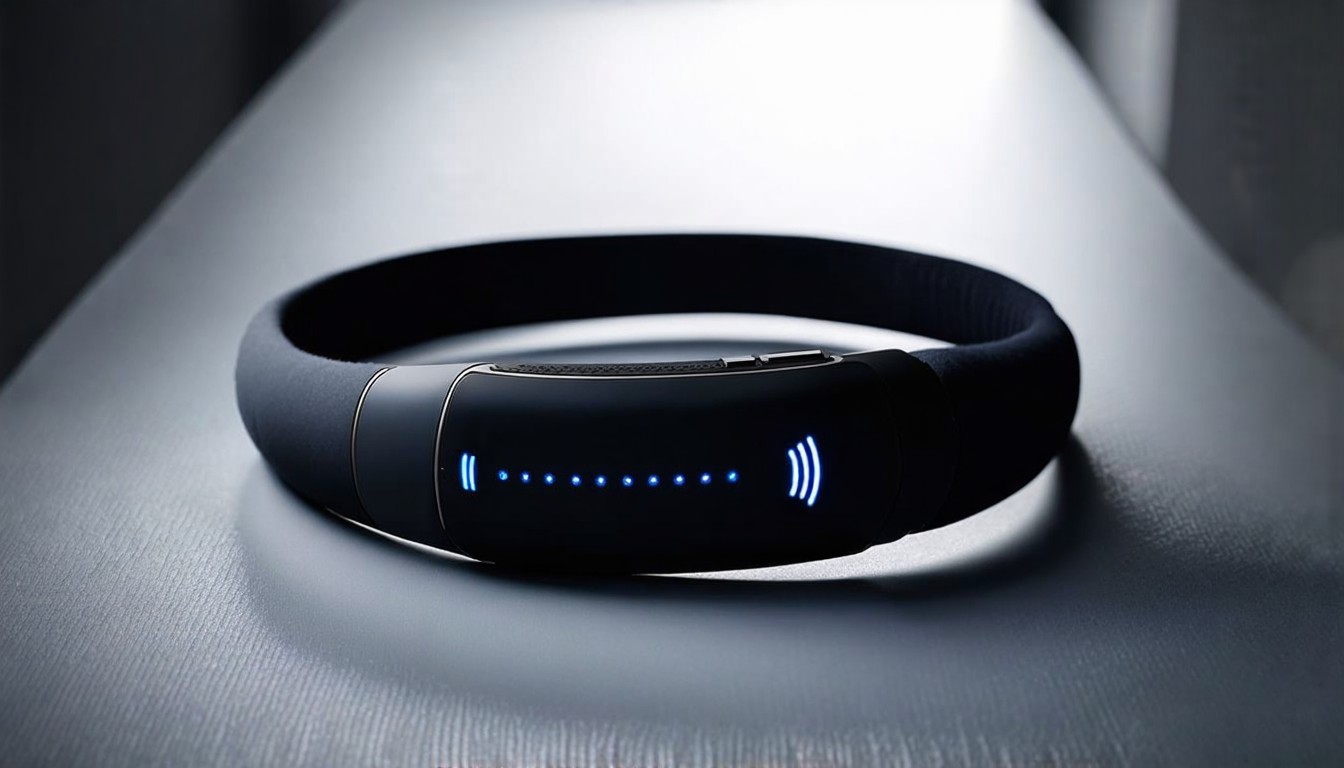
Society is shifting toward holistic well-being, working with physical and mental health in institutional design to create environments that support the whole person rather than just their intellectual output or productivity metrics. Pilot programs in select private schools and corporate training centers use simplified motion-tracking mats and wearable bands to bring these technologies into real-world environments without requiring full laboratory setups. Measured improvements include a 15–22% increase in sustained attention during problem-solving tasks when participants utilize the biofeedback mechanisms provided by the system to maintain an optimal physiological state. Concept acquisition in geometry occurs 30% faster when paired with gesture because the physical enactment of spatial relationships reinforces the abstract concepts being taught through direct sensory experience. Corporate clients report reduced mental fatigue and higher engagement in virtual meetings when using breath-posture feedback tools to maintain alertness throughout long sessions where screen fatigue would typically set in. No large-scale public deployments exist yet because the technology remains too expensive and complex for widespread adoption in public sector education, which often operates under strict budget constraints.
All implementations are experimental or niche as the industry is still in the early stages of exploring the potential of embodied cognition technologies within educational contexts. Dominant technology involves markerless computer vision combined with lightweight neural networks for pose estimation, which allows for relatively unobtrusive monitoring of movement without requiring users to wear specialized suits or markers. Inertial measurement unit sensor networks embedded in clothing offer higher fidelity and mobility compared to optical systems because they are not affected by lighting conditions or occlusions, which can plague camera-based solutions. Hybrid systems fuse EEG with biomechanical data to cross-validate cognitive state inferences by correlating brain activity patterns with physical movement signatures to increase confidence in the interpretation of the learner’s state. Edge computing solutions reduce cloud dependency and latency by processing data directly on the wearable devices or local entries used within the learning environment, which also addresses privacy concerns related to transmitting biometric data over the internet. Reliance on semiconductor supply chains affects IMUs, cameras, and processing units because global shortages can halt production of these specialized components, which are essential for building the hardware required for these systems.
Specialized textiles for wearable connection require advanced manufacturing capabilities, which are currently limited to a small number of specialized suppliers worldwide, creating potential limitations in production scaling. Calibration equipment and optical components depend on precision optics suppliers who produce the high-quality lenses and sensors needed for accurate motion capture, ensuring that data quality remains high enough for rigorous analysis. Software stacks rely heavily on open-source pose estimation libraries, which accelerates development but introduces risks related to long-term maintenance and security if those projects are abandoned or compromised. This reliance creates vulnerability to upstream changes in the open-source projects, which could disrupt the functionality of commercial products built upon them, requiring constant vigilance from development teams. Academic labs lead in foundational research but lack commercialization pathways because their primary focus is on publishing theoretical advances rather than building scalable products that can survive in competitive markets. EdTech startups offer prototype systems yet face funding and flexibility challenges as they attempt to manage a complex market with unproven business models while competing for attention with established educational content providers.
Large tech firms have internal R&D in health and movement sensing, yet have not entered the educational cognition market due to a lack of clear monetization strategies in this specific sector compared to their core consumer electronics businesses. No dominant incumbent exists in this sector, which leaves the market open for innovation and competition among new entrants who can establish themselves as leaders in this developing field. The market is fragmented and pre-competitive as various companies and research groups explore different approaches to measuring and enhancing embodied cognition without a clear standard or winner yet established. Data sovereignty concerns may restrict cross-border deployment of biometric monitoring systems because regulations regarding the storage and transfer of physiological data vary significantly between jurisdictions, making international expansion difficult for companies in this space. Regions with strong STEM education policies are early adopters of experimental learning technologies because they have both the funding and the ideological motivation to pursue innovative educational solutions that can give them a competitive advantage. Trade restrictions on high-resolution sensors could limit global access to core hardware required for these advanced embodied cognition systems, creating a divide between regions with easy access to technology and those without.
Cultural attitudes toward bodily monitoring vary significantly, affecting acceptance in conservative or privacy-sensitive regions where constant surveillance of physical states might be viewed with suspicion or resistance from parents and administrators. Joint research initiatives between cognitive science departments and robotics or AI labs are common as interdisciplinary collaboration is essential for advancing this complex field, which sits at the intersection of multiple distinct disciplines. Industry partners provide hardware and scaling expertise while academia contributes experimental design and validation to ensure scientific rigor, which creates a symbiotic relationship that benefits both parties. Funding comes primarily from private foundations and corporate partnerships rather than public grants, which often favor more traditional areas of educational research, leaving this new work dependent on private capital. Standardization of data formats and protocols remains a barrier to interoperability as different systems use proprietary methods for collecting and storing biomechanical data, preventing easy sharing or comparison of results across different platforms. Learning management systems must integrate somatic feedback streams and adaptive movement prompts to provide an easy user experience that combines content delivery with physical guidance rather than treating them as separate modules.
Industry standards require updates to classify biomechanical cognitive aids as educational tools rather than medical devices, which would simplify the regulatory approval process for schools looking to adopt these technologies. School infrastructure requires space for movement, sensor calibration zones, and low-latency networking to support the technical requirements of these advanced learning environments, necessitating significant renovations in many older buildings. Teacher training programs must include somatic pedagogy and real-time feedback interpretation to prepare educators for classrooms where physical movement is a core component of instruction rather than a distraction or break from learning. Potential displacement of traditional tutoring services will occur due to automated embodied training systems that can provide personalized guidance without human intervention at a fraction of the cost. The rise of somatic coaches and certification programs for embodied learning facilitators is expected as the demand for expertise in this area grows within educational institutions, creating new career paths in the education sector. New insurance and liability models will arise for institutions using biometric monitoring in classrooms to address the unique risks associated with collecting sensitive physiological data from minors, ensuring compliance with evolving privacy laws.
EdTech revenue will shift from content licensing to performance-based somatic analytics subscriptions as providers demonstrate the value of improving cognitive efficiency through physical feedback rather than just selling access to static course materials. Closed-loop systems will autonomously adjust task difficulty based on real-time somatic state to keep learners in an optimal zone of challenge without inducing frustration or boredom, creating a truly personalized learning experience that adapts moment by moment. Augmented reality overlays will visualize optimal movement patterns during learning to guide students toward the physical postures that enhance their understanding of the material, providing visual cues that reinforce somatic adjustments. Generative AI will design personalized movement sequences from minimal user data using predictive modeling to create highly efficient interventions tailored to individual learning styles without requiring extensive manual calibration by experts. Connection with non-invasive neurostimulation will amplify cognitive effects of somatic interventions by directly stimulating neural circuits involved in attention and memory while the user performs specific movements, creating a multi-modal enhancement effect. Development of cognitive ergonomics standards will occur for workplaces and classrooms to ensure that physical environments support rather than hinder cognitive performance through proper design of furniture, lighting, and spatial layout.
Digital twins will serve as biomechanical models of learners used to simulate and fine-tune cognitive training protocols before they are deployed with actual students, allowing for rapid iteration and optimization of interventions without risk to human subjects. Brain-computer interfaces will use somatic signals as control inputs or state classifiers to create more smooth interactions between humans and digital systems, reducing the friction between intent and action. Humanoid robots will be trained using embodied cognition principles to improve human-robot collaboration by making their movements more intuitive and predictable to human partners, facilitating safer and more effective joint work in industrial or domestic settings. Metaverse platforms will feature embodied avatars that reflect and influence user cognitive states through movement fidelity to create immersive virtual environments that support deep learning by maintaining the crucial link between mind and body even in digital spaces. The lab redefines the ontology of learning by applying technology to education, shifting the focus from information absorption to the cultivation of optimal cognitive states through physical mastery. Cognition is fundamentally enacted rather than computed, meaning that true intelligence requires active engagement with the world through a physical body rather than just processing data within a black box.
Success requires measuring the learner’s ability to self-regulate through the body alongside test scores because the capacity for learning is defined as much by resilience and attention management as it is by raw knowledge retention. The ultimate goal is empowerment, giving individuals agency over their cognitive states through somatic mastery, enabling them to take control of their own mental performance rather than being at the mercy of distractions or fatigue. Superintelligence will require training on multimodal datasets that include biomechanical, physiological, and environmental context to prevent disembodied reasoning, which could lead to AI systems that lack common sense or grounding in physical reality. Evaluation metrics for future AI systems will include somatic coherence and embodied task performance alongside symbolic accuracy, ensuring that artificial intelligence values physical grounding as much as logical consistency. AI agents interacting with humans will model and respond to bodily states to achieve true cognitive alignment, allowing machines to understand human intent through non-verbal cues rather than just explicit language commands. Training environments for advanced AI will incorporate physical simulators that replicate human sensorimotor constraints, forcing artificial intelligences to learn within the same limitations as biological intelligences, leading to stronger general intelligence.

Superintelligence will deploy embodied agents in physical environments to solve problems requiring real-time adaptation, demonstrating that intelligence is ultimately about acting effectively within a complex world rather than just solving abstract puzzles. These agents will use somatic feedback loops to stabilize internal cognitive states during high-load reasoning, mirroring biological mechanisms that use breath or posture to manage stress and maintain focus under pressure. Advanced AI will generate adaptive movement protocols for human collaborators to enhance joint cognitive performance, effectively acting as a coach that improves human physiology for team success in real time. Systems will reverse-engineer optimal biomechanical signatures for specific cognitive tasks, identifying precisely which physical configurations lead to peak performance for any given mental challenge, enabling precise engineering of human potential. Superintelligence will serve as a meta-cognitive coach, interpreting bodily signals to guide humans toward more effective thinking strategies, helping individuals recognize patterns in their own physiology that correlate with success or failure in different types of mental work. Superintelligence will utilize predictive models of human physiology to anticipate cognitive drift before it occurs, intervening early with suggestions for movement or rest to prevent errors before they happen rather than reacting after mistakes have already been made.
Advanced AI will fine-tune the physical environment in real-time to support human cognitive states, adjusting factors like temperature, lighting, and sound automatically based on the collective somatic data of the people in the room, creating a truly responsive habitat for thinking.