Knowledge hub
Crowd Behavior Prediction
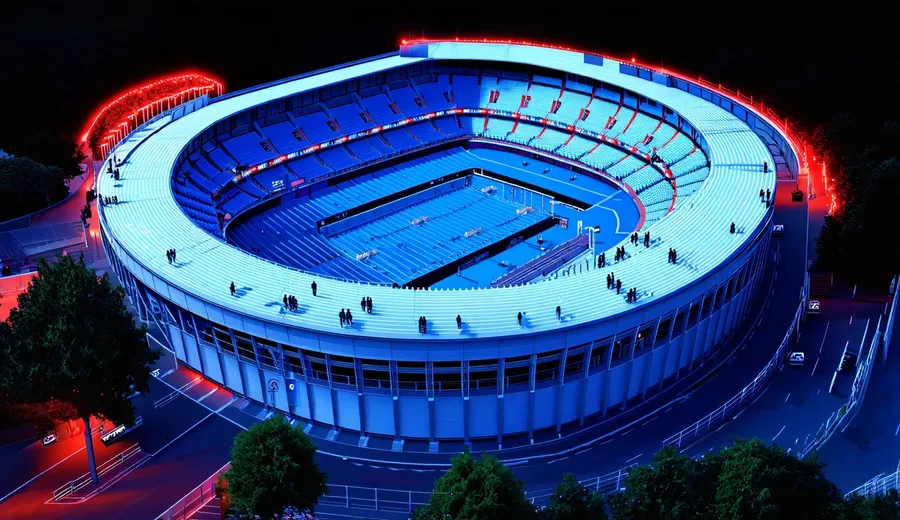
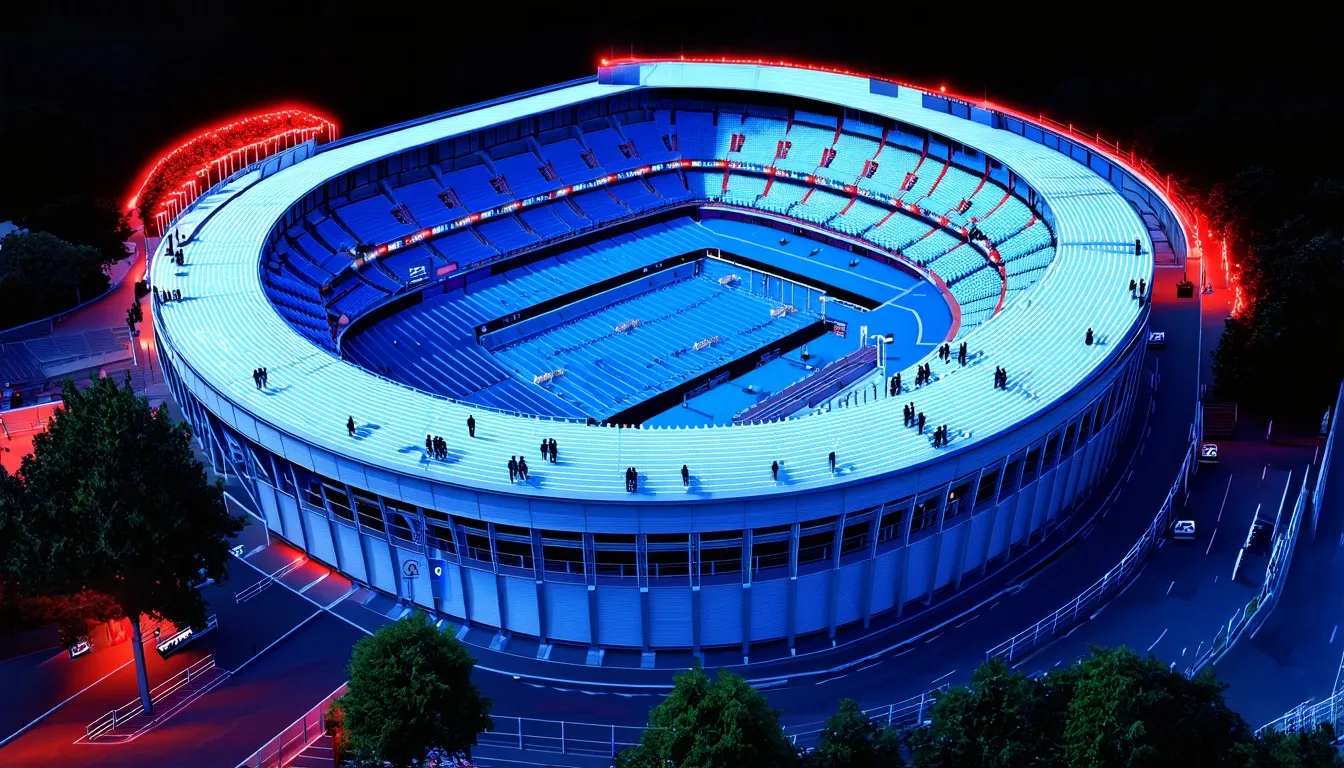
Crowd behavior prediction involves analyzing real-time data streams such as video surveillance feeds, social media activity, mobile device signals, and environmental sensors to identify patterns indicative of collective human actions like panic, unrest, or mass movement. The goal is to detect early warning signs of dangerous crowd dynamics including rapid density increase, erratic motion, or vocal agitation before they escalate into stampedes or violence. Systems process spatial-temporal data to model crowd flow, emotional tone, and behavioral anomalies using machine learning models trained on historical incident data and simulated scenarios. Outputs are used by security personnel, event organizers, or urban planners to trigger interventions such as crowd rerouting, communication alerts, or deployment of personnel. This capability is especially critical in high-density environments like stadiums, transit hubs, political rallies, and urban centers during emergencies. At its core, crowd behavior prediction relies on three foundational elements including data acquisition from heterogeneous sources, instantaneous signal processing to extract behavioral features, and predictive modeling that maps observed patterns to potential outcomes.
The system assumes that human crowd behavior exhibits measurable regularities under stress or density, and that these can be captured through sensor fusion and pattern recognition. It operates on the principle that early detection by minutes can significantly reduce the likelihood of catastrophic outcomes. The approach is inherently probabilistic, providing risk scores rather than deterministic forecasts, due to the complexity and variability of human behavior. Functional components include data ingestion pipelines handling video, audio, geolocation, and text, preprocessing modules for noise reduction and anonymization, anomaly detection engines, predictive classifiers, and alerting interfaces. Video analysis uses computer vision to track individual direction, estimate density maps, and classify motion types such as walking, running, or clustering. Social media monitoring parses text and metadata for sentiment shifts, keyword spikes, or coordinated messaging that may signal mobilization or distress.
Fusion algorithms integrate multimodal inputs to reduce false positives and improve confidence in predictions. Decision-support dashboards present actionable insights to human operators with context such as location, severity level, and recommended response protocols. Crowd density is the number of individuals per unit area, measured via overhead video or thermal imaging, used to assess congestion risk. Behavioral anomaly refers to a deviation from expected movement or interaction patterns, flagged by statistical or deep learning models. Emotional valence is inferred sentiment from audio tone or text content, scaled to indicate agitation or calm. Intervention threshold is a predefined risk level at which automated or manual response is triggered. Predictive latency is the time between data capture and actionable output, critical for live utility.
Early research in the 1970s focused on physical modeling of pedestrian flow using fluid dynamics analogies, yet lacked empirical validation and live applicability. The 2005 Hajj stampede and 2010 Love Parade disaster highlighted the lethal consequences of unmanaged crowd dynamics, spurring investment in automated monitoring. Advances in deep learning around 2015 enabled reliable person detection and tracking in dense scenes, shifting the field from rule-based to data-driven methods. The rise of social media as a real-time information source demonstrated its utility for tracking collective intent, working with it into prediction pipelines. These historical developments established the necessity of moving beyond simple observation to proactive calculation of risk based on aggregated data signals. Physical constraints include occlusion in dense crowds, limiting camera-based tracking accuracy, while lighting and weather conditions affect sensor reliability.
Economic barriers involve high infrastructure costs for city-wide sensor networks and computational resources for immediate processing. Flexibility is challenged by the need for low-latency processing across large geographic areas, requiring edge computing or distributed architectures. Privacy regulations restrict data collection and retention, complicating model training and deployment in public spaces. These limitations necessitate durable engineering solutions that balance computational load with accuracy while adhering to legal standards regarding personal data protection. Early alternatives included purely physics-based simulations such as social force models, which failed to capture psychological or social factors driving behavior. Rule-based expert systems were attempted, yet could not adapt to novel scenarios or scale across diverse environments. Text-only monitoring platforms were tested, yet produced high false alarm rates due to noise and lack of spatial grounding.
These were rejected due to poor generalization, high maintenance, and inability to fuse multimodal data effectively. The failure of these early systems paved the way for the adoption of deep learning architectures capable of learning complex representations directly from raw data. Urban populations are growing, increasing the frequency and scale of mass gatherings, raising the stakes for public safety. Recent incidents of crowd-related fatalities have intensified demand for proactive risk mitigation from event operators and private security firms. Advances in AI, sensor technology, and edge computing now make instantaneous, large-scale prediction technically feasible. Economic losses from event cancellations or disruptions due to safety concerns justify investment in predictive systems. The convergence of these factors drives the current expansion of the market for crowd analytics solutions.
Commercial systems are deployed in select metro systems, major sports venues, and during large public events. Performance benchmarks show detection of density anomalies within 30 to 60 seconds of onset, with precision rates of 70 to 85 percent, depending on environment and data quality. False positive rates remain a challenge, averaging 15 to 25 percent, requiring human-in-the-loop validation before intervention. Systems are typically integrated with existing security command centers rather than operating autonomously. This setup ensures that automated alerts serve as decision support for experienced operators who can contextualize the information. Dominant architectures use convolutional neural networks for video analysis, recurrent or transformer models for temporal sequence modeling, and graph neural networks for spatial interaction modeling. Developing challengers include spatiotemporal transformers that jointly model space and time, and self-supervised learning methods that reduce reliance on labeled incident data.
Lightweight models fine-tuned for edge devices such as YOLO variants or MobileNet backbones are gaining traction for decentralized processing. Hybrid approaches combining simulation-based priors with data-driven learning are being explored to improve generalization. These architectural choices define the performance limits and operational capabilities of modern prediction systems. Supply chain dependencies include high-resolution cameras, thermal sensors, GPU or TPU hardware for inference, and cloud or edge computing infrastructure. Semiconductor shortages can delay deployment of processing units, particularly for edge devices. Data labeling for training requires access to incident footage or synthetic datasets, often sourced from private security partners. Reliance on third-party social media APIs introduces variability in data access and terms of service. The availability and cost of these hardware and data components directly influence the speed of deployment and reliability of the systems.
Major players include security firms such as Motorola Solutions and Genetec, AI startups like CrowdVision and BriefCam, and tech giants like Google and Huawei offering integrated smart city platforms. Competitive differentiation lies in latency, accuracy, setup ease, and compliance with local privacy laws. Niche providers focus on specific domains such as religious pilgrimages or concerts, while broader platforms target municipal clients. Open-source tools like OpenCV and TensorFlow lower entry barriers yet limit proprietary advantage. The market domain is characterized by a mix of established security contractors adapting to AI capabilities and specialized AI firms developing core analytics engines. Adoption varies by region, with some areas employing extensive crowd monitoring in public spaces with minimal privacy restrictions, while other regions emphasize anonymization and consent, slowing deployment.
Certain markets see fragmented adoption, driven by local law enforcement and private venues, with industry guidelines still evolving. Export controls on AI surveillance technology affect global availability, particularly for dual-use systems. Geopolitical tensions influence trust in foreign vendors, prompting domestic development in countries like India and Brazil. These regional differences create a complex global environment for the deployment of crowd prediction technologies. Academic institutions contribute foundational research in computer vision, behavioral modeling, and ethics, while industry provides real-world data and deployment infrastructure. Collaborative projects include international initiatives on smart cities and private grants for public safety innovation. Challenges include data sharing restrictions, misaligned incentives, and slow translation of research into operational systems. Joint publications and open benchmarks like the Crowd Human Dataset help standardize evaluation.
This collaboration is essential for advancing the best and ensuring that theoretical advances are tested in practical environments. Adjacent software systems such as emergency response platforms and traffic management must integrate with prediction outputs via APIs or middleware. Regulatory frameworks need updates to define permissible data use, retention periods, and accountability for false alerts. Urban infrastructure requires upgrades, including higher camera density, better network bandwidth, and power supply for edge devices. Training programs for security personnel are needed to interpret system outputs and respond appropriately. Successful implementation requires a holistic approach that encompasses technology, regulation, and human factors. Automation of crowd monitoring may reduce demand for human security guards in routine surveillance roles, displacing low-skilled workers. New business models develop, including subscription-based prediction services, insurance products tied to risk scores, and data-as-a-service for urban planning.
Event organizers may face liability shifts if they fail to act on system alerts, altering risk management practices. Increased surveillance could normalize monitoring, potentially chilling public assembly or protest activity. These socioeconomic implications must be considered alongside the technical benefits of the systems. Traditional KPIs like incident count or response time are insufficient, so new metrics include prediction lead time, false alarm rate, intervention success rate, and system uptime. User trust and operator satisfaction become critical performance indicators, measured via surveys or usage logs. Ethical KPIs such as bias detection across demographic groups and transparency scores are increasingly required. Cost per prevented incident may serve as an economic efficiency metric for public sector adoption. These metrics provide a more comprehensive view of system effectiveness than simple accuracy measures.
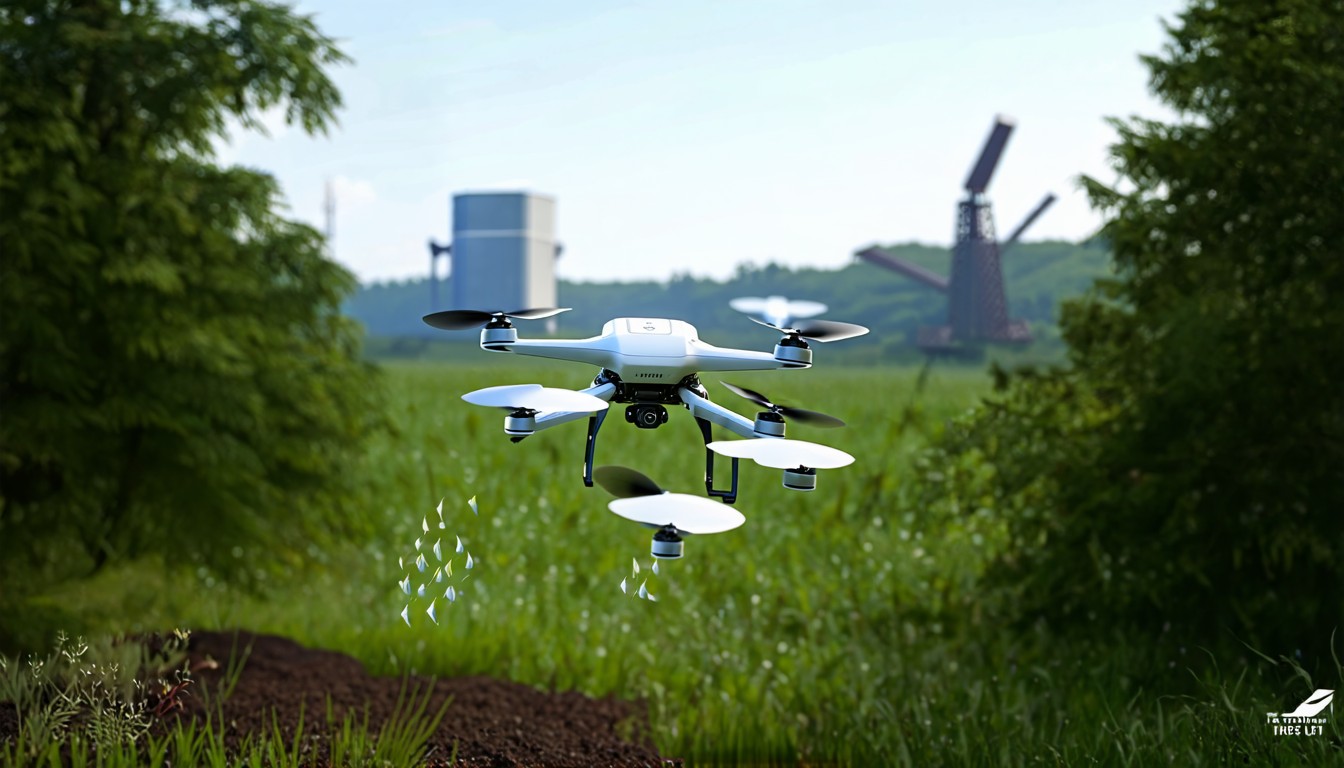
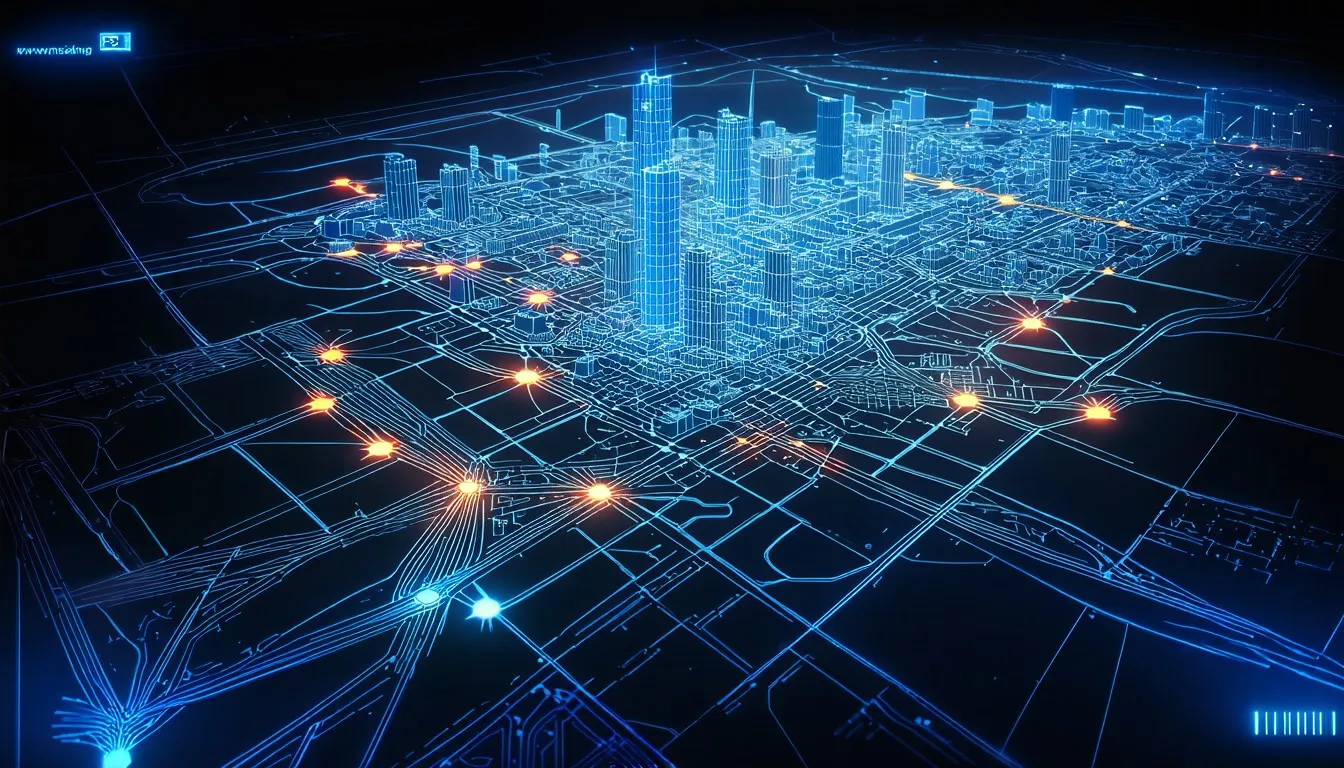
Future innovations may include real-time emotion recognition from facial micro-expressions or voice stress analysis, pending privacy safeguards. Connection with digital twin cities could enable simulation of intervention outcomes before deployment. Federated learning may allow model improvement across jurisdictions without sharing raw data. Quantum-inspired optimization could enhance instantaneous path planning for crowd control. Convergence with IoT enables richer environmental context such as temperature and noise levels to refine predictions. These advancements promise to increase the fidelity and responsiveness of prediction systems. Connection with 5G or 6G networks supports low-latency data transmission from distributed sensors. Overlap with disaster response systems allows unified command during multi-hazard events such as fire combined with crowd crush. Synergy with autonomous drones for aerial monitoring and communication in hard-to-reach areas enhances coverage capabilities.
Connection with these communication and response technologies creates a comprehensive safety ecosystem that extends beyond fixed camera installations. Key limits include the unpredictability of individual human decisions, which can cascade into emergent crowd behaviors not captured by current models. Sensor resolution and coverage impose hard bounds on detection fidelity in large or obstructed areas. Workarounds involve probabilistic forecasting, ensemble modeling, and human oversight to manage uncertainty. Redundant sensor modalities and adaptive sampling can mitigate single-point failures. These limitations define the boundary of what is currently achievable with probabilistic modeling. These systems should prioritize harm reduction over control, with designs that minimize surveillance overreach and maximize transparency. The technology must be evaluated on its impact on civil liberties and equitable access to safety alongside accuracy.

Success should be measured by prevented tragedies rather than just algorithmic performance. Long-term, the focus should shift from reactive prediction to designing environments that inherently reduce crowd risk. This ethical framework ensures that the technology serves public safety goals without compromising individual freedoms. Superintelligence will refine crowd models by simulating millions of behavioral variants under diverse socio-psychological conditions, uncovering hidden causal mechanisms. It will fine-tune immediate intervention strategies across entire cities, balancing safety, flow, and individual autonomy. With access to global data, it will identify cross-cultural patterns in crowd dynamics, improving generalization. Deployment will require strict governance to prevent misuse, such as suppressing dissent under the guise of safety. The immense computational power and reasoning capabilities of superintelligence will allow for a level of analysis far beyond current machine learning techniques.
Superintelligence may ultimately render such systems obsolete by enabling preemptive urban design that eliminates high-risk crowd scenarios altogether. By simulating decades of crowd flow within architectural blueprints before construction begins, superintelligent systems will identify structural flaws that lead to congestion or stampedes. Urban planners will utilize these simulations to create spaces that naturally guide crowds during emergencies without the need for active surveillance or intervention. This shift is a move from monitoring behavior to designing environments that facilitate safe and efficient movement intrinsically.